


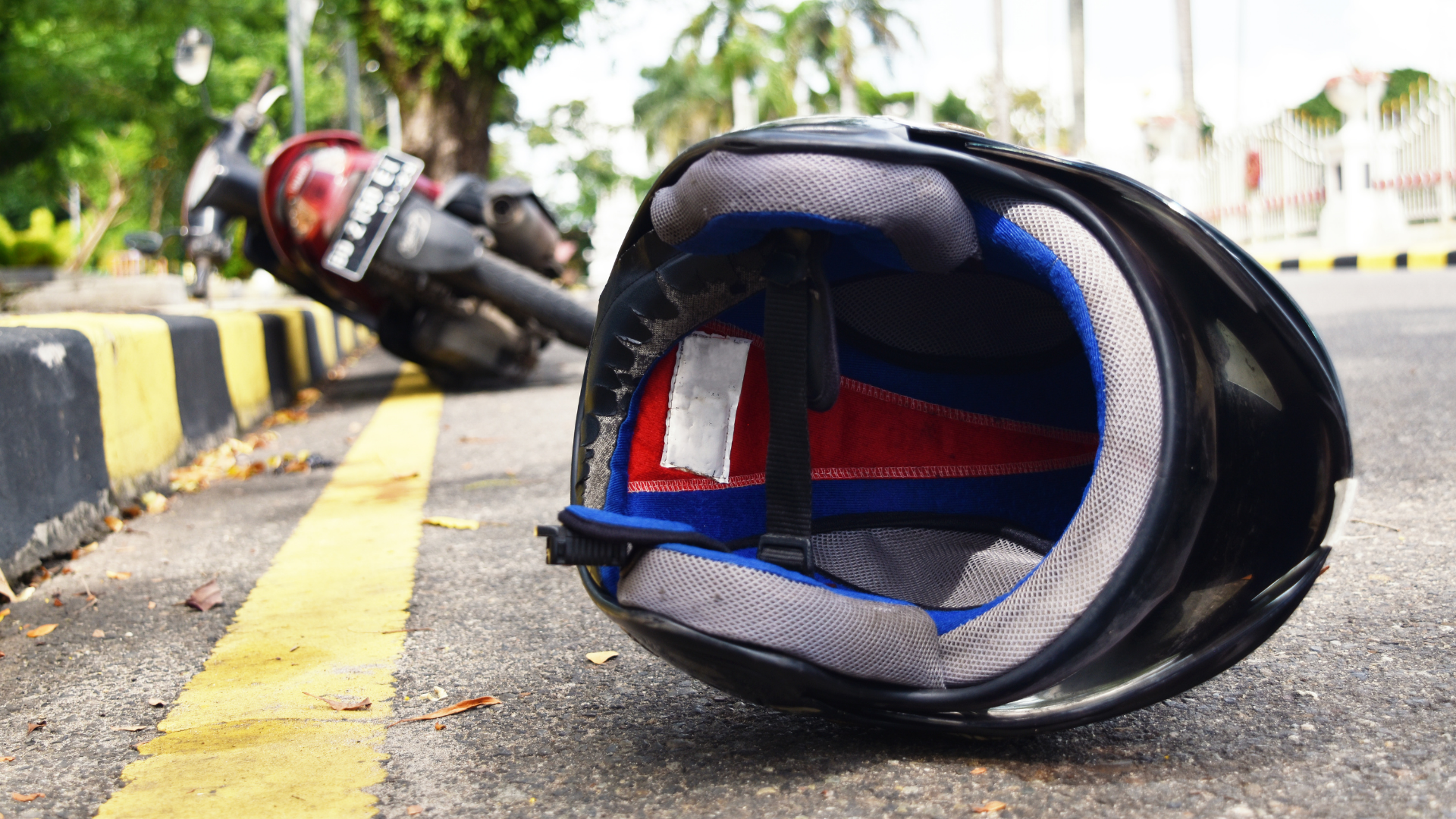
A driver turns left across your lane, changes lanes without looking, or follows too closely. A moment later, you are injured, your motorcycle is damaged, and an insurance company is searching for reasons to reduce what it owes. Knowing how to file a motorcycle accident claim can help you protect yourself from the beginning.
Although some steps resemble a car accident claim, Florida treats injured motorcyclists differently. Most importantly, Personal Injury Protection generally does not cover injuries sustained while riding a motorcycle. Instead of beginning with PIP, a rider will typically pursue compensation from the responsible driver and any other available insurance coverage.
Here is what injured riders should know.
Why Is a Florida Motorcycle Claim Different?
Florida’s no-fault system generally requires an injured person to seek initial benefits through PIP after a car accident. PIP can pay a portion of qualifying medical expenses and lost income regardless of who caused the crash.
Motorcycles fall outside that system. Florida’s no-fault statute defines “motor vehicle” in a way that excludes vehicles with fewer than four wheels. The PIP statute also extends coverage to certain people struck by a covered vehicle only when they are not occupying another self-propelled vehicle. Together, these provisions create what is sometimes called the motorcycle PIP exemption in Florida. A rider ordinarily cannot use an automobile PIP policy to pay motorcycle-crash injuries.
That distinction has two major consequences:
- You may have no automatic $10,000 PIP benefit available for initial medical bills, and
- Your claim generally begins against the party who caused the collision rather than with a no-fault PIP claim.
The tradeoff is that an injured motorcyclist generally does not have to satisfy Florida’s no-fault “serious injury” threshold before pursuing pain and suffering from the negligent driver. That threshold applies to claims involving vehicles covered by the no-fault law.
How to File a Motorcycle Accident Claim: Step by Step
Every collision is different, particularly when the rider requires emergency transportation and cannot personally collect evidence. When possible, the following steps can protect a motorcycle accident claim in Florida.
Step 1: Get to Safety and Request Medical Help
Move out of traffic if you can do so without risking further injury. Call 911 and request both law enforcement and emergency medical assistance.
Motorcycle injuries are not always immediately obvious. Adrenaline can conceal symptoms of a concussion, internal bleeding, spinal injury, or fracture. Accept appropriate treatment at the scene and obtain a prompt medical evaluation even if you initially believe you can walk away.
Waiting for treatment can seriously damage your claim. An insurer may argue that the crash did not cause your condition or that you allowed an injury to become worse by delaying care.
Step 2: Report the Crash to Law Enforcement
Ask the responding agency to investigate and prepare a crash report. Florida law requires the immediate reporting of crashes involving injury, death, suspected impairment, a hit-and-run driver, or apparent property damage of at least $500.
Give the officer accurate, concise information. Do not speculate about speed, distances, or fault. You may not yet know that another driver was texting, failed to yield, or entered your lane.
Obtain the report number and the investigating officer’s agency and contact information. A crash report is not the entire case, but it can identify the parties, witnesses, vehicles, insurance information, road conditions, and whether citations were issued.
Step 3: Preserve Evidence Before It Disappears
Motorcycle claims often produce conflicting stories. A driver may insist that the rider was speeding or “came out of nowhere,” even when that driver simply failed to look carefully. Physical and electronic evidence can establish what actually happened.
If your condition permits, photograph or record:
- The final positions of the motorcycle and other vehicles;
- Damage to every involved vehicle;
- Skid marks, debris, gouges, and fluid trails;
- Traffic lights, signs, lane markings, and sight obstructions;
- Weather, lighting, and road-surface conditions; and
- Your helmet, riding gear, and visible injuries.
Collect witness names and contact information. Ask nearby businesses or homes whether their cameras recorded the collision, but do not delay in seeking legal help. Surveillance recordings may be erased within days. Vehicles may also contain event data, while phones, dashcams, traffic cameras, and 911 records may provide additional evidence.
Preserve the motorcycle, helmet, clothing, and damaged equipment in their post-crash condition. Do not authorize repairs or disposal until they have been documented and, when appropriate, inspected.
Step 4: Notify the Appropriate Insurers
Notify your motorcycle insurer promptly, even if another person was clearly responsible. Your policy may contain notice and cooperation requirements and could provide collision, medical payments, uninsured motorist, or underinsured motorist coverage.
Provide basic facts, but be careful about recorded statements and broad medical authorizations. You do not have to guess about your injuries or agree with an adjuster’s version of events. The other driver’s insurer represents its policyholder and protects its own financial interests—not yours.
A motorcycle accident attorney can investigate all potential sources of recovery, including:
- The driver’s bodily injury liability insurance,
- Your uninsured or underinsured motorist coverage,
- A vehicle owner’s potential responsibility,
- An employer’s insurance when the driver was working,
- Commercial or rideshare coverage, and
- Claims involving a defective vehicle component or unsafe roadway
An at-fault motorcycle claim will typically seek payment through the responsible driver’s bodily injury liability coverage, if available. Florida’s insurance structure means that not every private vehicle necessarily carries bodily injury coverage in every circumstance. Even when coverage exists, its limits may be too low for severe motorcycle injuries.
Step 5: Document Your Injuries and Financial Losses
Filing an injury claim for motorcycle collisions requires more than proving that the other driver made a mistake. You must also document how the crash affected your health, work, finances, independence, and daily life.
Follow your treatment plan and attend recommended appointments. Keep copies of medical records, bills, prescriptions, mileage expenses, pay statements, tax records, and communications with insurers. Maintain a private record of your symptoms and limitations, including disrupted sleep, pain levels, missed activities, and tasks you can no longer perform.
Compensation may include past and future medical expenses, lost income, diminished earning capacity, damage to the motorcycle and equipment, pain and suffering, disability, disfigurement, and loss of enjoyment of life. The available damages depend on the evidence and circumstances of the case.
Avoid posting about the collision, your recovery, travel, or physical activities on social media. Insurers may remove a photo from its context and use it to challenge an otherwise legitimate injury.
Step 6: Build and Submit the Liability Claim
A claim should explain why the insured was responsible, connect the collision to your injuries, and establish the full value of your losses. This usually involves gathering the crash report, photographs, witness statements, medical documentation, wage evidence, insurance records, and expert opinions when necessary.
Do not rush to settle while your prognosis remains uncertain. A broken bone may require additional surgery. A brain injury may interfere with work long after visible wounds heal. Road rash can result in infection, nerve damage, or permanent scarring.
Once you sign a release, you ordinarily cannot reopen the claim because your condition worsened or you discovered another expense. A quick offer may bring short-term relief while transferring the risk of future medical costs to you.
How Can Florida’s Helmet Law Affect a Claim?
The motorcycle helmet law in Florida requires riders to wear compliant protective headgear. A person over 21 may ride without a helmet if covered by an insurance policy providing at least $10,000 in medical benefits for motorcycle-crash injuries. Eye protection is generally required regardless of age.
Not wearing a helmet does not automatically make a rider responsible for causing a collision. A helmet has nothing to do with whether another driver ran a red light or made an unsafe turn.
The insurer may nevertheless argue that the lack of a helmet contributed to a head or facial injury. Whether that argument succeeds depends on the injuries and supporting evidence. It should not reduce compensation for unrelated harm, such as a fractured leg, simply because the rider was not wearing a helmet.
How Can Comparative Fault Reduce or Eliminate Recovery?
Florida uses a modified comparative-fault rule. If an injured rider is found partly responsible, compensation is reduced by that percentage. A rider awarded $200,000 but found 20% at fault could recover $160,000. A person found more than 50% responsible for their own harm generally cannot recover damages.
This rule gives insurers a powerful incentive to blame motorcyclists. They may raise lane position, visibility, speed, helmet use, or evasive action even when their insured caused the crash. Strong evidence matters because every percentage point can affect the outcome.
What Is the Deadline for Filing a Florida Motorcycle Lawsuit?
Florida generally gives an injured person two years to file a negligence lawsuit. Different deadlines and notice requirements may apply when a government entity is involved or another legal theory controls.
The insurance claim should begin much sooner. The statute of limitations does not preserve surveillance video, witness memories, vehicle data, or physical evidence. Waiting can also violate policy-notice provisions and give an insurer more room to dispute causation.
Why Representation Matters More in a Motorcycle Case
Motorcyclists often face serious injuries, limited immediate medical coverage, unfair rider stereotypes, and drivers with inadequate liability insurance. Handling the case requires more than sending medical bills to an adjuster.
Maranatha Law can investigate the collision, preserve evidence, locate available insurance, calculate present and future losses, respond to comparative-fault accusations, and negotiate without allowing an insurer to control the story. Attorney Tim Shanahan personally handles his cases, providing direct access and clear, compassionate communication throughout the process.
If you are trying to determine how to file a motorcycle accident claim, you do not have to face the insurance companies alone. Contact Maranatha Law for a free consultation. Let us protect your claim and fight for the accountability and compensation you deserve so that you can focus on healing.
Legal References Used to Inform This Page
To ensure the accuracy and clarity of this page, we referenced official legal resources during the content development process:
- Florida Statutes § 627.732 – Motor vehicle definition
- Florida Statutes § 627.736 – PIP statute
- Florida Statutes § 627.737 – Serious injury threshold
- Florida Statutes § 316.065 – Reporting requirements
- Florida Statutes § 316.211 – Motorcycle helmet law
- Florida Statutes § 768.81 – Comparative fault
- Florida Statutes § 95.11 – Statute of limitations