
Schedule Your Free Consultation
(863) 343-3333

Schedule Your Free Consultation
(863) 343-3333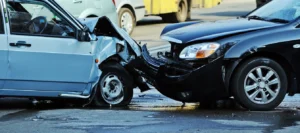
If you were injured in a car accident in Lakeland, you’re likely dealing with more than physical pain. Between insurance calls, vehicle repairs, missed work, and medical appointments, the pressure can build quickly. You need answers and a clear path forward. A trusted Lakeland car accident lawyer can help you understand your rights and hold the at-fault driver accountable. At Maranatha Law, we are here to step in and lift that burden.
The area is no stranger to collisions, from multi-car crashes on US-98 to rear-end wrecks at busy intersections like South Florida Avenue and Edgewood Drive. Whether your accident happened in downtown Lakeland, near Lake Hollingsworth, or on the Polk Parkway, you may be entitled to compensation for your damages. We fight for the people behind the injuries, the individuals dealing with real-life disruptions and lengthy recoveries.
Common Crash Scenarios Handled by a Lakeland Car Accident Claim Lawyer
The roads carry a mix of commuter traffic and heavy freight. Unfortunately, many drivers make reckless decisions while driving and cause the following types of crashes:
- Rear-end collisions. These happen frequently in areas of heavy traffic and at stop-and-go intersections. They often result in whiplash, back injuries, and damage to the spine.
- T-bone or side-impact crashes. These accidents occur when one driver runs a red light or fails to yield the right of way. Intersections with poor visibility or confusing signal timing are frequent locations for these violent crashes.
- Head-on collisions. Though less frequent, these crashes often involve high speeds and result in serious or fatal injuries. They are more likely to occur on rural roads or near curves with poor lighting, especially at night.
- Multi-vehicle pileups. Parkways and interstates are hotspots for multi-car crashes, especially during foggy mornings or heavy rain. These cases can involve complex liability and overlapping insurance policies.
- Hit-and-run accidents. Drivers who flee the scene leave injured victims behind with few answers. Florida law allows you to pursue compensation under your own uninsured motorist policy if one is available.
No two crashes are the same. An experienced car accident lawyer in Lakeland can help you make sense of your collision, begin investigating the cause of your accident, and identify potential responsible parties.
Where Car Accidents Happen Most in Lakeland
Certain areas in Lakeland experience a higher concentration of car accidents due to traffic, road design, and daily congestion. Understanding where crashes commonly occur can help explain how and why many of these incidents happen.
Major roadways like U.S. 98 and Interstate 4 carry a steady mix of local commuters and commercial traffic. These roads are frequently associated with rear-end collisions, lane-change accidents, and high-speed crashes, especially during peak travel hours. Drivers navigating between Lakeland and nearby cities often encounter sudden slowdowns, increasing the risk of an impact.
Busy intersections also contribute to a large number of accidents. Areas such as South Florida Avenue and Edgewood Drive, or Memorial Boulevard and North Florida Avenue, are known for heavy, stop-and-go traffic. These conditions can lead to side-impact collisions when drivers misjudge timing or fail to yield.
Lakeland’s continued growth has also led to more construction zones and changing traffic patterns. Temporary lane shifts, reduced visibility, and unclear signage can create confusion, increasing the likelihood of accidents in developing areas.
Weather plays a role as well. Sudden rainstorms common in Central Florida can reduce visibility and make roads slick, contributing to loss of control or delayed braking. These local conditions are important when evaluating the circumstances of a crash. The location, traffic patterns, and surrounding environment often provide critical context when determining fault and building a claim.
Injured in a Lakeland Car Accident? Let a Trusted Advocate Handle the Hard Part—While You Focus on Healing.
Proving Negligence in a Lakeland Car Accident
Injury claims hinge on proving that someone else acted carelessly. Florida follows a comparative fault system, which means you can recover compensation even if you were partially at fault. Under Florida’s modified comparative fault law, an injured person who is 50% or less responsible may still recover damages, but the award is reduced by that percentage. A person found more than 50% responsible generally cannot recover damages in a negligence action.
For example, if your losses total $200,000 and you are found 20% at fault, your recovery may be reduced to $160,000. Because a few percentage points can determine whether compensation is reduced or barred, insurers have a strong reason to shift blame. Evidence such as traffic camera video, vehicle data, witness accounts, phone records, and measurements from the scene can help establish what each driver actually did.
Some of the most common causes of accidents that support a negligence claim include:
- Distracted driving, including texting or using a GPS;
- Speeding or aggressive lane changes;
- Driving under the influence of alcohol or drugs;
- Failure to yield or running red lights;
- Following too closely or braking too late; and
- Poor vehicle maintenance or defective parts.
These details matter. Identifying the exact cause of the crash helps support a strong liability claim and protects you from unfair blame shifting.
Common Injuries Seen by Our Lakeland Car Accident Lawyers
Some injuries are evident at the scene, while others develop over time. Documentation is key to proving your claim, whether your symptoms appeared right away or took days to develop.
Injuries we often see in car accident cases include:
- Whiplash and neck injuries. These can occur even in low-speed crashes and may require physical therapy or long-term care.
- Concussions and traumatic brain injuries. A sudden jolt to the head can cause memory loss, confusion, and ongoing cognitive symptoms.
- Back injuries and herniated discs. Many clients experience back pain that interferes with sleep, work, and daily activities.
- Broken bones. Fractures in the arms, ribs, hips, or legs may require surgery and extended rehabilitation.
- Soft tissue damage. Sprains, strains, and muscle tears are often harder to detect on imaging and can cause significant pain and disability.
- Emotional distress. Florida law recognizes emotional harm, including anxiety and post-traumatic stress disorder (PTSD), as part of a valid damages claim.
Prompt medical care helps confirm the injury and ties it directly to the accident. Your doctor’s records, imaging scans, and treatment notes become key evidence in your case.
Where Car Accidents Happen in Lakeland?
Lakeland sits at the center of Polk County along the busy Tampa-to-Orlando corridor, and its heaviest traffic routes are where most of the crashes we handle take place. Whether you were hurt on the interstate, a toll road, or a surface street near home, a Lakeland car accident lawyer can help you pursue the compensation you deserve.
High-risk driving corridors in and around Lakeland
| Corridor | Where it runs | Why crashes happen here |
|---|---|---|
| Interstate 4 (I-4) | Along the north side of Lakeland, connecting Tampa and Orlando | High speeds, heavy commuter and tourist traffic, and frequent commercial trucks lead to serious multi-vehicle wrecks |
| Polk Parkway (SR 570) | Toll loop around the south and east of the city | Merging at high speed where the parkway meets I-4 and major exits |
| US-98 / South Florida Avenue | Main north-south route through the city core | Dense retail traffic, frequent turns, and stop-and-go congestion cause rear-end and turning collisions |
| US-92 (Memorial Blvd / New Tampa Hwy) | East-west across Lakeland | Busy mixed-use corridor with heavy cross traffic |
| Harden Boulevard (SR 563) | North-south commercial corridor | High volume of shoppers and turning movements |
| Lakeland Hills Boulevard | North from downtown past the medical center | Heavy local traffic and pedestrian activity |
| County Line Road | Western edge at the Polk/Hillsborough line | Commuter traffic between counties |
Certain intersections along these routes see far more collisions than others. Our firm tracks the local crash hot spots in our guide to the most dangerous intersections in Lakeland, and we know how the roads, signals, and traffic patterns in each area factor into a claim.
Life After a Car Accident
Recovery from injuries after a car accident looks different for every person. You may be sore and need physical therapy, or you may be in the hospital requiring surgeries and facing months of rehabilitation. In either situation, daily life changes in ways you may not expect.
Physical effects can continue long after the crash, including:
- Limited mobility that makes routine activities difficult,
- Pain that interferes with sleep or concentration,
- Dependence on medication or medical devices, or
- Fatigue or cognitive changes after head trauma.
Medical care often also requires constant attention:
- Frequent visits to doctors and specialists;
- Imaging tests, therapy, or follow-up procedures; and
- Transportation challenges if you cannot drive.
Daily and financial responsibilities often shift quickly. You may face:
- Time away from work, with paychecks reduced or missed entirely;
- Family members adjusting schedules to provide care or transportation; and
- Rising bills for hospital stays, prescriptions, or home modifications.
Emotional effects may surface alongside physical injuries. Accident victims can experience:
- Stress from uncertainty about the future,
- Anxiety or fear about driving again, and
- Sleeplessness that worsens pain.
Recovering from a car accident often means juggling many challenges at once. Medical needs do not wait, bills arrive quickly, and daily responsibilities continue. Understanding how these pieces fit together helps explain why the days following a crash are crucial for your health and case.
Steps to Take After Your Lakeland Car Accident
When life changes suddenly, knowing what to do next can be difficult. Taking these steps helps protect your health while creating a record of your experience.
Right after the accident:
- Call for emergency medical care and law enforcement;
- Ask the police to complete a report;
- Photograph the vehicles, the scene, and any visible injuries;
- Collect insurance and contact details from all drivers involved; and
- Get names and phone numbers of witnesses.
In the days following:
- Schedule a follow-up with your doctor, even if the ER treated you, since some injuries may not appear until later;
- Save every medical bill, test result, and prescription receipt;
- Keep a journal of your pain levels, mobility issues, and how your injuries affect daily routines; and
- Store emails or letters from insurance companies in one place.
Avoid giving a recorded statement to an insurer until you have received legal advice. Insurers can use anything you say to challenge your claim. A Lakeland car accident attorney can step in to preserve evidence, organize medical records, and manage insurer communication while you focus on healing.
How Florida PIP Coverage Affects a Lakeland Car Accident Claim
Florida’s no-fault insurance system usually requires an injured person to turn to personal injury protection, commonly called PIP, for financial support. Compensation through PIP applies regardless of who caused the collision. Florida’s PIP statute generally provides up to $10,000 in medical and disability benefits, paying 80% of covered medical expenses and 60% of covered lost income. Those benefits are helpful, but they often leave substantial unpaid losses after a serious crash.
You must receive qualifying initial medical care within 14 days of the accident to access PIP medical benefits. The full $10,000 is generally available only when an authorized provider determines that the injuries include an emergency medical condition. Without that determination, medical benefits are generally limited to $2,500.
Waiting to see whether pain resolves can therefore affect both your recovery and available insurance benefits.
PIP does not ordinarily compensate for pain, suffering, inconvenience, or loss of enjoyment of life. Under Florida law governing noneconomic damages from motor-vehicle accidents, an injured person generally must have suffered a significant and permanent loss of an important bodily function, a permanent injury within a reasonable degree of medical probability, significant and permanent scarring or disfigurement, or death to receive these damages. Medical documentation and opinions about permanency can become central when an insurer disputes whether this threshold has been met.
If your bills exceed PIP or your injuries satisfy the threshold, other coverage may become important. A car accident lawyer in Lakeland, FL can investigate bodily injury liability coverage, uninsured or underinsured motorist coverage, collision coverage, medical-payments coverage, and any policy covering an employer or vehicle owner. The goal is to identify every legitimate source of recovery rather than assuming the at-fault driver’s personal policy is the only option.
Where to Get Medical Care After a Car Accident in Lakeland
Getting prompt medical attention after a car accident is one of the most important steps you can take. In Lakeland and the surrounding Polk County area, several medical facilities are equipped to evaluate and treat injuries from accidents.
Lakeland Regional Health Medical Center is one of the primary hospitals in the area, offering emergency care for serious injuries such as head trauma, fractures, and internal injuries. For many accident victims, this is the first stop immediately following a crash.
Other nearby options include Bartow Regional Medical Center and Winter Haven Hospital, both of which provide emergency services and follow-up care. Depending on the severity of your injuries, you may also be referred to specialists for ongoing treatment.
After initial care, many patients require additional support, such as:
- Physical therapy to restore mobility,
- Chiropractic care for spinal injuries,
- Neurological evaluations for head trauma, and
- Orthopedic treatment for fractures or joint damage.
Consistent treatment does more than support your recovery. It also creates a clear medical record that documents how your injuries developed and how they continue to affect your daily life.
Even if your symptoms seem minor at first, it is important to seek evaluation. Some injuries take time to appear, and early documentation can make a significant difference in both your health and your claim.
Reporting the Crash and Obtaining Local Records
If a collision causes an injury, a death, or at least $2,000 in apparent vehicle or property damage, Florida law requires the driver to report it immediately. If you are within Lakeland city limits, call the Lakeland Police Department; depending on the location, the Polk County Sheriff’s Office or Florida Highway Patrol may respond. Calling 911 is appropriate when someone is hurt, traffic is obstructed, or conditions remain dangerous.
A crash report is useful, but it does not decide the civil claim. It may identify drivers, vehicles, insurance information, witnesses, citations, and an officer’s observations. You can request records through the investigating agency or use the Florida Highway Safety and Motor Vehicles crash portal. Keep the report number, photographs, repair estimates, towing records, and all correspondence together. If nearby homes or businesses may have captured the wreck, request the video footage quickly, since many recording systems overwrite footage within days.
What Kind of Damages Can You Recover Following a Car Crash?
You must show that the collision resulted in real, measurable harm to recover compensation after a car accident. This includes both financial losses and the broader impact on your quality of life. These losses fall into two main categories: economic and noneconomic damages.
Economic Damages
Economic damages cover the direct financial costs associated with the accident. These may include medical expenses such as hospital care, physical therapy, diagnostic tests, and prescriptions. You can also claim lost income if your injuries forced you to miss work and reduced earning potential if you cannot return to your previous job. Additionally, property damage is another key component, including the cost of repairing or replacing your vehicle.
Noneconomic Damages
Noneeconomic damages account for the more personal consequences of the crash. These include physical pain, emotional suffering, loss of enjoyment of daily activities, and, in some cases, loss of consortium for a spouse. While these damages are harder to quantify, they reflect the lasting impact a serious crash can have on your well-being.
Who May Be Liable Beyond the Other Driver?
The driver who caused the wreck is usually the starting point, not always the end of the investigation.f
Several parties may share responsibility depending on why the crash occurred and who owned or controlled the vehicle:
- An employer. A business may be responsible when an employee causes a collision while performing job duties. Delivery schedules, driver training, prior incidents, and vehicle-maintenance records may all matter.
- A vehicle owner. Florida’s dangerous-instrumentality doctrine may allow a claim against an owner who voluntarily entrusted a vehicle to another person, subject to legal and factual limitations.
- A rideshare or delivery company. Coverage can depend on whether the driver was offline, waiting for a request, traveling to collect a passenger or order, or completing a trip.
- A commercial carrier. Trucking and transportation cases may involve the driver, motor carrier, maintenance contractor, cargo loader, or another company whose conduct contributed to the crash.
- A manufacturer or repair shop. A defective tire, brake component, steering system, or negligent repair may contribute even when a driver also made a mistake.
- A government entity. Dangerous road design, missing signs, malfunctioning signals, or poor maintenance may raise a claim against a public agency. These claims have special notice rules and liability limits, so they require prompt evaluation.
This broader investigation is especially important around I-4, U.S. 98, State Road 33, and the Polk Parkway, where commuters regularly share the road with tractor-trailers, delivery vehicles, rental cars, and rideshare drivers. A Lakeland car wreck attorney can send preservation notices before electronic logs, app records, surveillance footage, or vehicle data disappear.
How Can a Car Accident Lawyer Help You?
Lakeland car accident lawyers play a crucial role in helping accident victims navigate the complex process of determining liability, handling insurance claims, and following all legal formalities after a car wreck.
Gathering Evidence to Support Your Case
Timely investigation allows your legal team to secure critical evidence, including law enforcement reports, surveillance footage, dashcam recordings, and eyewitness accounts. These elements are vital while the facts remain fresh and physical evidence remains available. The sooner you gather this information, the stronger your position becomes when negotiating with insurers or preparing for litigation.
Calculating the Correct Amount of Damages
A car accident lawyer’s representation helps document and properly present your damages. Your legal team will coordinate with doctors, financial professionals, and medical providers to build a strong case. These professionals have experience determining your future medical needs and the long-term economic effects of your injuries
Negotiating with Insurance Companies
Insurance companies do not make this process easy. Adjusters are trained to minimize payouts and protect the company’s bottom line. They may ask for recorded statements, delay responses, or pressure you to sign away your rights.
Without an attorney, you risk not obtaining the compensation necessary to address your full recovery needs. Legal counsel gives you both protection and leverage by working to cover all categories of damages and to keep your case on track.
Understanding the Rules That Apply to Your Claim
Florida’s statute of limitations for car accident lawsuits is two years. Failing to act within that period could permanently bar you from recovering anything, even if you have a valid case. A knowledgeable attorney handles every aspect of the case, allowing you to focus on healing rather than fighting bureaucracy.
How a Lakeland Car Accident Lawyer Preserves Evidence
The most valuable evidence is often time-sensitive. Road debris is removed, vehicles are repaired, witnesses become difficult to locate, and businesses routinely erase surveillance recordings.
A prompt investigation may preserve:
- Photographs and measurements from the crash scene;
- Lakeland Police Department, sheriff, or highway patrol records;
- Traffic-signal timing and available intersection footage;
- Video from nearby businesses, doorbell cameras, or dashcams;
- Vehicle event-data recorder information;
- Cellphone records, when distraction is suspected;
- Commercial-driver logs, dispatch records, and inspection files; and
- Medical records connecting the collision to the injuries.
Evidence must do more than show that a crash happened. It should explain who caused it, how the impact produced the injury, and what the resulting losses mean for your future. An experienced legal team can coordinate those pieces before presenting a demand or filing a lawsuit.
How Insurance Companies Try to Reduce Your Claim
After a car accident, it may seem like the insurance company is there to help. In reality, their goal is to protect their bottom line. That often means finding ways to limit how much they pay, even when liability is clear.
One of the most common tactics is requesting a recorded statement early in the process. Adjusters may ask questions in a way that encourages you to downplay your injuries or speculate about fault. Even small inconsistencies can later be used to challenge your claim.
Insurance companies also rely heavily on early settlement offers. These offers often come before you fully understand the extent of your injuries or future medical needs. While the amount may seem helpful in the moment, it rarely accounts for long-term treatment, lost earning capacity, or ongoing pain.
Delays are another strategy. Insurers may take longer to respond, request unnecessary documentation, or repeatedly re-evaluate your claim. These delays can create financial pressure, making it more likely that you accept less than your case is worth.
In some cases, insurers attempt to shift blame. Florida’s comparative fault system allows them to argue that you were partially responsible for the crash. Increasing your percentage of fault directly reduces the amount they have to pay.
Medical treatment is also frequently challenged. An insurer may argue that your injuries are not as severe as claimed, were pre-existing, or are unrelated to the accident. That is especially common with soft tissue injuries, back pain, and concussions.
Understanding these tactics changes how you approach your claim. When you know what to expect, you are better positioned to protect your rights and avoid decisions that could affect your recovery.
Why Choosing the Right Auto Accident Attorney in Lakeland Matters
Not every personal injury law firm approaches cases the same way. After a car accident, the attorney you choose can directly affect how your case is handled, how your injuries are valued, and ultimately, what kind of outcome you receive.
Some firms operate on volume. They move cases quickly, rely heavily on staff, and aim to resolve claims as efficiently as possible. While that approach may work for minor cases, it can undervalue more complex or serious claims.
At Maranatha Law, the focus is different.
We take a deliberate, hands-on approach to every case. That means understanding not just how the accident happened, but how it has impacted your life. Your recovery is not just about covering immediate bills. It is about addressing the full picture, including your health, your ability to work, and your long-term stability.
You will not be treated like a case number. You will have direct communication, clear guidance, and a legal team that takes the time to explain what is happening at every stage.
Insurance companies are familiar with firms that settle quickly. They approach those cases differently. When a law firm is known for thoroughly preparing cases and pushing for full compensation, insurers respond differently.
Choosing the right Lakeland auto accident attorney is about more than filing paperwork. It is about having someone in your corner who is prepared to stand firm, challenge unfair tactics, and pursue a result that reflects what you have actually lost.
When your recovery, your finances, and your future are on the line, that difference matters.
You Deserve Answers, Not Excuses
A car crash can upend your life in seconds, but getting help shouldn’t take a fight. At Maranatha Law, we step in when insurance companies stall, deflect, or refuse to take your claim seriously. If you suffered an injury in a car accident anywhere in Lakeland, don’t wait for the system to work itself out. Make it move. Call our office today for a free consultation and take back control of your recovery.
When Does a Lakeland Car Accident Claim Become a Lawsuit?
Many claims resolve through negotiation, but filing a lawsuit may be necessary when liability is disputed, the insurer denies that an injury is permanent, available coverage is unclear, or the settlement offer does not address the documented losses. Filing suit allows the parties to obtain sworn testimony and request records through formal discovery. It does not mean a trial is inevitable; negotiations can continue while the case moves forward.
Most Lakeland car accident lawsuits are filed in the appropriate state court in Polk County, depending on the parties, damages, and other jurisdictional facts. The process can include written questions, document exchanges, depositions, medical examinations, motions, mediation, and, if no fair agreement is reached, trial. A Lakeland car accident lawyer should prepare the claim from the beginning as though the evidence may eventually need to be presented in court.
Florida generally provides two years to file a negligence lawsuit arising from a recent collision. The deadline appears in the state’s limitations statute, but a different period may apply to an older crash, wrongful death, a government defendant, or another unusual circumstance. Waiting is risky even when the formal deadline seems distant. The practical deadline for obtaining video or locating a witness may be much shorter.
Lakeland Communities We Serve
We represent injured drivers, passengers, and pedestrians throughout Lakeland and the surrounding Polk County area.
| Area served | ZIP codes |
|---|---|
| Central & Downtown Lakeland | 33801, 33815 |
| South Lakeland | 33803, 33813 |
| North Lakeland | 33805, 33809, 33810 |
| West Lakeland | 33811, 33812 |
| Nearby communities | Winter Haven, Auburndale, Bartow, Mulberry, Highland City, Lakeland Highlands, Kathleen, Combee Settlement |
Frequently Asked Questions
The Driver Who Hit Me Didn’t Have Insurance. What Happens Now?
This situation is common in Florida. If the at-fault driver lacks coverage, you may need to rely on your own uninsured or underinsured motorist policy. These claims can be complicated because your insurer now acts like the opposing party. A Lakeland auto accident lawyer can review your policy, explain what benefits apply, and challenge the insurer if it delays or undervalues your claim.
I’m Already Getting Calls from the Insurance Company. How Much Does It Cost to Hire Maranatha Law?
Our firm works on a contingency fee basis. That means you do not pay any upfront costs. We only collect a fee if we obtain a settlement or verdict for you. If the case does not result in compensation, you owe nothing for attorney’s fees. This arrangement gives you access to legal help without worrying about immediate expenses.
The Insurance Company Offered Me Money Right Away. Should I Take It?
Be cautious with early offers. Quick settlement checks may cover your car repairs and initial medical bills, but rarely account for ongoing therapy, lost wages, or future treatment. Once you accept, the claim is closed, and you cannot seek more. Have a Lakeland car crash lawyer review the offer in light of your long-term needs before signing anything.
I Didn’t Go to the Hospital Right After the Accident. What If My Pain Started Later?
This happens often. Whiplash, concussions, and back injuries can take hours or days to appear. You should still see a doctor as soon as symptoms start. Prompt documentation connects your condition to the crash, which is essential for your case. Delayed treatment does not automatically prevent you from recovering compensation.
I’m Worried This Will Take Forever. How Long Does a Car Accident Case Usually Take?
The timeline varies. Straightforward cases with minor injuries may resolve in a few months through settlement. More complex cases involving serious injuries, disputed liability, or a lawsuit can take a year or longer. The length depends on medical treatment, evidence gathering, and whether the case goes to court. An experienced car accident lawyer can review your situation and help you understand what your case may involve.