


A commercial truck collision can leave you with serious injuries, mounting medical bills, and questions about who will pay for the damage. Meanwhile, the trucking company’s insurer may already be investigating the crash and seeking ways to limit its financial responsibility.
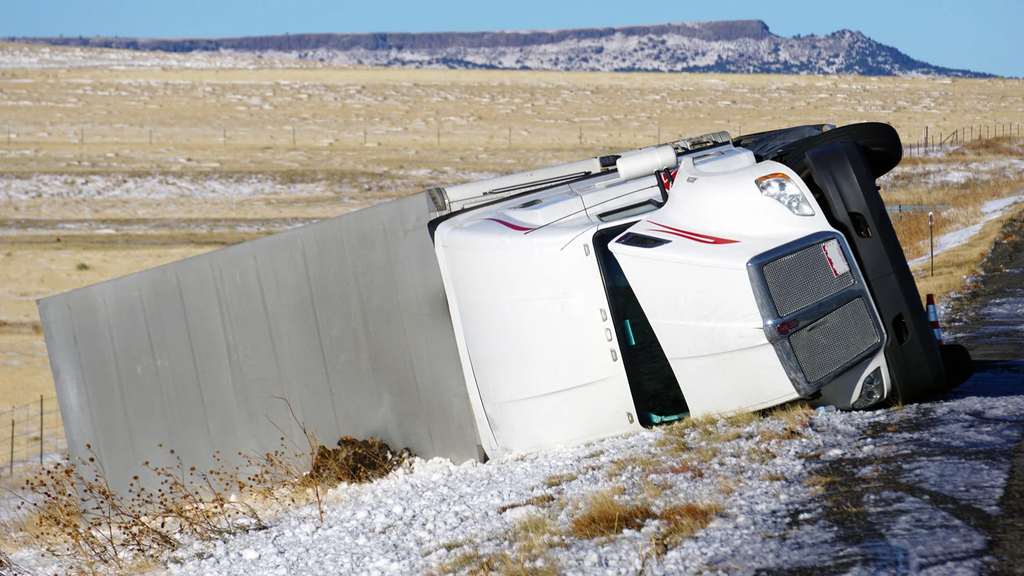
This Florida truck accident guide explains your rights, the claims process, and the steps that can help protect your recovery.
At Maranatha Law, founding attorney Tim Shanahan takes a hands-on approach to each case, working directly with clients and keeping them informed about their legal options. He understands how much is at stake when an insurer disputes responsibility or offers a settlement that fails to account for your future needs.
Contact us now for a free case evaluation.
What Are Common Causes of Truck Accidents?
Truck accidents happen throughout Florida, on major interstates, rural highways, city streets, and at busy intersections. Florida truck accident statistics highlight the seriousness of these collisions, with 353 people killed in crashes involving large trucks statewide in 2024, according to the National Safety Council.
Although the circumstances of each collision differ, common contributing factors include:
- Driver fatigue,
- Impaired driving,
- Speeding,
- Following too closely,
- Failure to yield,
- Distracted driving,
- Improper cargo loading,
- Manufacturing defect,
- Failure to stop at a red light or stop sign, and
- Inadequate maintenance.
At Maranatha Law, we can investigate the cause of your truck accident by examining police reports, witness statements, vehicle data, and trucking company records. Our goal is to identify what went wrong, whether negligence contributed to the collision, and who may be held legally responsible for your injuries.
Who Can Be Held Liable in a Semi-Truck Accident in Florida?
Liability depends on whose negligence caused or contributed to the truck accident.
Depending on the circumstances, you may have a negligence claim for compensation against:
- Truck driver. Drivers may be liable for speeding, distracted driving, impairment, unsafe lane changes, or violating traffic laws.
- Trucking company. A company may be responsible for its employee truck driver’s negligence while they are on the job. It may also face direct liability for unsafe hiring practices, inadequate training, or failing to maintain its vehicles.
- Cargo loading company. A business that improperly loads or secures freight may share liability when shifting or unsecured cargo causes a collision.
- Maintenance provider. A repair or maintenance company may be liable if negligent inspections, improper repairs, or failure to address mechanical problems contributed to the crash.
- Truck or parts manufacturer. A manufacturer may be held responsible if a defective truck component, such as faulty brakes, tires, or steering equipment, caused or contributed to the accident.
An attorney can investigate employment records, commercial contracts, vehicle ownership, and maintenance arrangements to identify responsible parties.
What Should I Know After a Truck Accident in Florida?
The first steps to take after an accident in this Florida truck accident guide are to protect your health and document what happened. Call 911, request emergency assistance when needed, and obtain medical treatment promptly.
Once your immediate medical needs are addressed, several additional steps can help protect your claim:
- Preserve the scene. Photograph the vehicles, road conditions, skid marks, debris, and visible injuries if it is safe to do so. Collect witness contact information and record identifying information from the truck, including its license plate and USDOT number.
- Don’t admit fault or apologize. Avoid speculating about what caused the collision or accepting responsibility before the circumstances have been investigated. Give law enforcement an accurate account of what you observed without guessing about facts you do not know.
- Order the police report. Depending on where the accident occurred, the report may be prepared by the Tampa Police Department, Broward Sheriff’s Office, Florida Highway Patrol, or another responding agency. Request a copy through the Florida Crash Portal.
- Contact a Florida truck accident lawyer. An attorney understands the state and federal laws governing these cases, Florida court procedures, and how to deal with commercial insurance companies.
- Don’t talk to the insurance companies alone. Notify your own insurer as required by your policy, but speak with an attorney before discussing liability or settlement with the opposing insurer.
Continue following your medical provider’s recommendations and keep records of treatment, missed work, and accident-related expenses. These documents can help establish how the collision has affected your life.
What Evidence Is Important to My Truck Accident Claim in Florida?
Much of the evidence needed to establish liability is in the trucking company’s possession, not yours. Your lawyer can obtain and examine these records to determine what caused the crash and who may be responsible.
Valuable evidence can include:
- Electronic logging device and black box data. Electronic logging devices (ELDs) record driving hours and can reveal violations of federal limits. A truck’s black box may contain information about speed, braking, and other activity before the collision.
- Driver logs and maintenance records. Driver logs and dispatch records may reveal unsafe driving schedules. Maintenance and inspection records can show whether mechanical problems were overlooked.
- Employment and training records. Driver qualification files, employment histories, and training records can reveal whether the trucking company hired an unqualified driver, ignored previous safety violations, or failed to provide adequate training.
A lawyer can send a spoliation letter notifying the trucking company and other relevant parties to preserve evidence, including electronic data, employment records, maintenance histories, and the truck itself.
How Does the Claim Timeline Work?
A truck accident claim can take several months or longer, depending on the severity of your injuries, disputes over fault, and the insurance company’s willingness to negotiate.
Here are some of the key stages involved in a claim.
1. Determine Who Is at Fault
Your lawyer investigates who caused the accident and whether one or more parties share responsibility.
Under Florida’s modified comparative negligence rule, each liable party is generally responsible for its assigned share of fault. If you are found to be partially at fault, your potential recoverable compensation reduces by that amount. For example, if you’re 20% at fault, your compensation decreases by 20%. However, if you’re more than 50% responsible, you generally cannot recover damages.
Your lawyer can challenge attempts by insurance companies to shift blame onto you unfairly.
2. Identify Available Insurance Coverage
Your lawyer identifies which insurance policies may cover your losses.
Your personal injury protection (PIP), medical payments coverage, or health insurance may help pay initial medical expenses. When PIP applies, qualifying medical treatment generally must begin within 14 days.
The trucking company’s liability insurance and policies covering other responsible parties may provide additional compensation. Federal regulations generally require qualifying interstate for-hire general freight carriers to carry at least $750,000 in liability coverage.
3. Calculate Damages and Submit a Demand Letter
Your lawyer evaluates your losses, including medical expenses, lost wages, reduced earning capacity, property damage, and future treatment costs. You may also recover compensation for pain and suffering when permitted by Florida law.
Your lawyer then sends the insurance company a demand letter explaining who was responsible, how the accident affected you, and how much compensation you are seeking. The letter includes evidence supporting your claim and the amount requested.
4. Negotiate with Insurance Companies
The insurance company reviews your demand and may offer less than you requested.
It might:
- Dispute certain medical expenses,
- Question how long you were unable to work, or
- Argue that you contributed to the crash.
Your lawyer examines the insurer’s reasons for reducing the offer and prepares a counteroffer addressing those disputes. This may involve using medical opinions to establish future treatment costs, employment records to prove lost income, and accident evidence to challenge allegations of fault. Your lawyer can continue negotiating and advise you on whether an offer fairly reflects your losses.
5. Reach a Settlement or Proceed to Trial
If both sides agree on compensation, you can accept a settlement and close the claim.
If negotiations fail, your lawyer may file a lawsuit. The case can proceed through discovery, depositions, and potentially trial, although settlement remains possible before a verdict.
Why Are Truck Claims More Complex Than Car Claims?
Truck accident claims often involve more extensive investigations, larger potential losses, and additional legal requirements.
A semi-truck accident in Florida may also cause injuries requiring surgery, lengthy rehabilitation, or permanent changes in a person’s ability to work. However, larger potential damages do not automatically establish liability or guarantee a higher recovery.
Multiple Defendants
An ordinary car accident may involve two drivers and their insurers. A commercial truck collision can involve several parties, including a motor carrier, a truck manufacturer, a maintenance contractor, and a cargo loader.
Each party may have separate legal representation and insurance coverage. Determining responsibility requires reviewing the relationships between these businesses and establishing how each one’s conduct contributed to the collision.
Federal Regulations
Florida truck accident laws operate alongside federal safety regulations governing many commercial carriers.
The Federal Motor Carrier Safety Administration (FMCSA) enforces federal regulations concerning driver qualifications, hours of service, vehicle inspections, and maintenance. These rules create additional records and potential sources of evidence that may not exist in an ordinary passenger vehicle accident.
An attorney must determine which regulations apply and whether a violation contributed to the crash.
Evidence Held by the Trucking Company
Evidence preservation matters in all motor vehicle accidents, but commercial truck cases frequently depend on information controlled by the carrier.
Unlike photographs collected at the scene, records such as driver logs, dispatch instructions, maintenance histories, and vehicle data may not be readily accessible to an injured person.
Obtaining this evidence can require preservation notices, formal discovery requests, and technical analysis. The trucking company’s control over these materials makes a timely legal investigation especially important.
How Long Do I Have to Bring a Truck Accident Claim?
Florida generally gives injured people two years from the date of a truck accident to file a negligence lawsuit. If your loved one was killed, you have two years from their date of death to file a wrongful death claim.
Missing this deadline can prevent you from recovering compensation through a lawsuit, regardless of the strength of your evidence.
Let Maranatha Law Fight for You After a Truck Accident
When a truck accident leaves you facing medical bills, lost income, and uncertainty about your future, Maranatha Law is ready to help you pursue accountability. Founding attorney Tim Shanahan has represented injured Floridians since 2015, bringing years of personal injury litigation experience to the firm’s work on behalf of clients.
We offer free consultations and handle truck accident cases on a contingency fee basis, so you owe no attorney fees unless we recover compensation for you. Contact Maranatha Law to discuss your truck accident claim in Florida and learn how we can help you move forward.
Legal References Used to Inform This Page
To ensure the accuracy and clarity of this page, we referenced official legal and other resources during the content development process:
- Limitations other than for the recovery of real property, Fla. Stat. § 95.11.
- Comparative fault, Fla. Stat. § 768.81.
- Required personal injury protection benefits, Fla. Stat. § 627.736.
- Financial responsibility, minimum levels, 49 CFR § 387.9.
- Florida Highway Safety and Motor Vehicles, “Traffic Crash Reports.”
- National Safety Council, “Large Trucks.”