


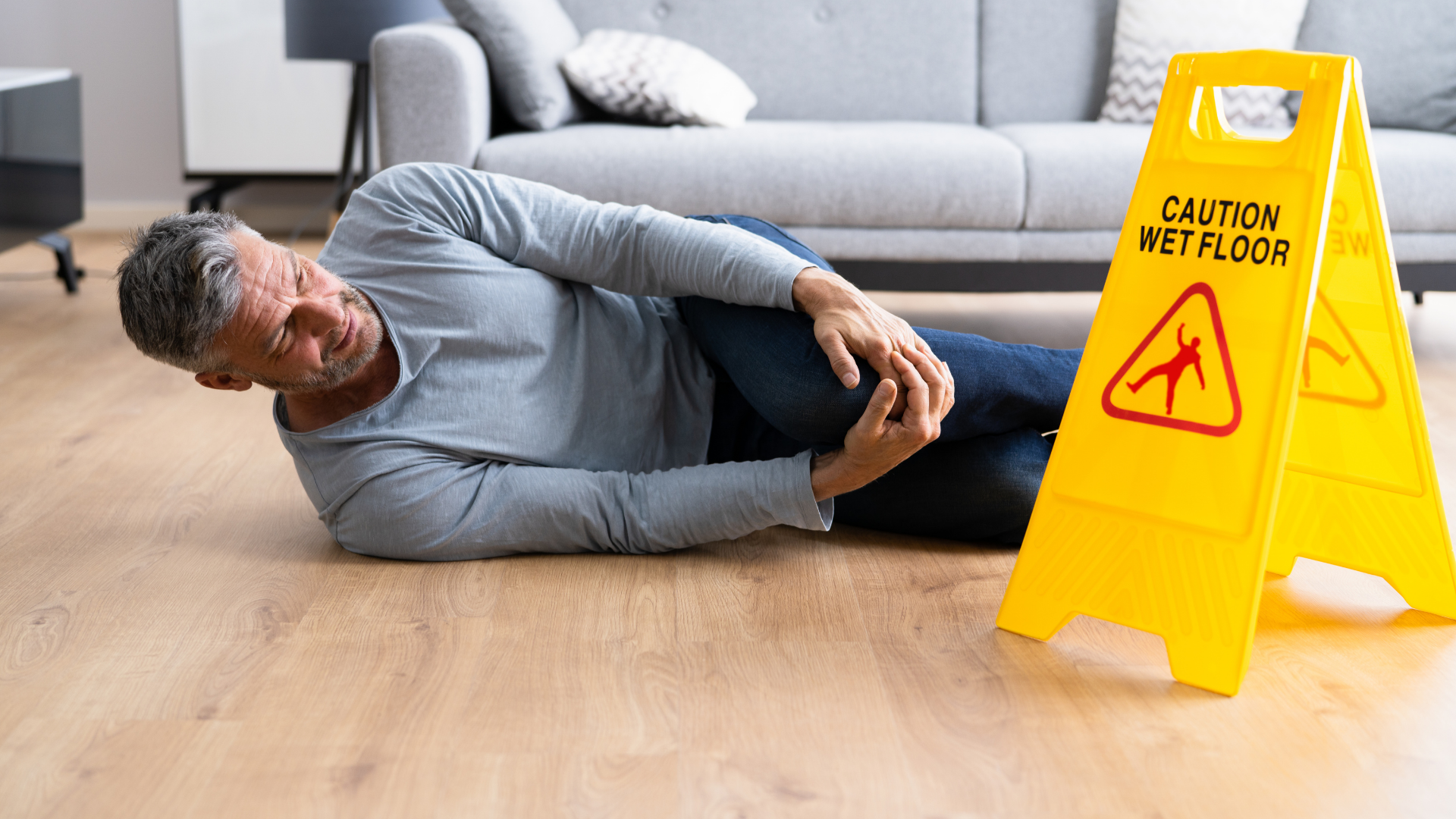
A sudden fall can turn an ordinary day into a painful, overwhelming ordeal. One moment you’re walking through a grocery store, apartment complex, or public sidewalk. Then you’re on the ground, hurt, confused, and wondering how this happened. As medical bills stack up and time away from work stretches on, one question keeps coming up: Who is responsible for this?
Understanding slip and fall liability under Florida law is the first step toward closure and protecting your future. At Maranatha Law, our Lakeland slip and fall lawyer helps people across Florida make sense of what happened, who may be legally responsible, and what it takes to pursue compensation with confidence and clarity.
When Property Isn’t Safe, People Get Hurt
Florida property owners have a legal duty to keep their premises reasonably safe. When they fail to fix hazards or warn people about them, serious injuries can occur. Slippery floors, uneven walkways, poor lighting, loose handrails, and unaddressed spills are common examples we see time and again.
Slip and fall accidents are not minor incidents. According to data from the Centers for Disease Control and Prevention (CDC), falls are a leading cause of injury-related emergency room visits in the United States, especially among older adults. Broken bones, head injuries, spinal trauma, and long-term mobility issues are common outcomes.
Florida’s premises liability rules exist to hold negligent parties accountable, but slip and fall liability depends on who controlled the property, what they knew, and what they failed to do.
Who Can Be Liable for a Slip and Fall in Florida?
Liability depends on where the fall occurred and who was responsible for maintaining the property. In many cases, more than one party may share responsibility.
Business Owners and Commercial Property Operators
If your fall happened in a grocery store, restaurant, retail shop, hotel, or office building, the business owner or operator may be liable. Under Florida law, a person injured by a “transitory foreign substance” (such as a spill) must show that the business had actual or constructive knowledge of the dangerous condition and failed to fix it.
This knowledge can be proven if:
- Employees or management were aware of the hazard, or
- The condition existed long enough that it should have been discovered through reasonable inspections.
In slip and fall liability cases involving businesses, surveillance footage, cleaning logs, and witness testimony often make the difference.
Landlords and Property Managers
Landlords and property managers may be responsible for falls in common areas like stairwells, hallways, parking lots, and sidewalks. If they knew, or should have known, of a dangerous condition and failed to repair it within a reasonable time, slip and fall liability may apply.
These cases often involve broken stairs, uneven pavement, poor lighting, or water accumulation that tenants repeatedly complained about.
Homeowners
Homeowners can be liable if guests are injured by unsafe conditions on their property. Florida law considers the visitor’s status (invitee, licensee, or trespasser) when determining the duty owed, but homeowners generally must warn lawful visitors of known dangers and fix hazards they should have reasonably addressed.
Government Entities
Falls on public sidewalks, government buildings, or municipal property may involve a city, county, or state agency. These claims are more complex due to Florida’s sovereign immunity rules, which limit damages and impose strict notice requirements.
Although these cases are challenging, government entities are not immune from responsibility when negligence causes harm.
How Is Slip and Fall Liability Proven?
At the heart of every slip and fall case is negligence. To establish slip and fall liability, you must show four elements:
- A duty of care existed,
- That duty was breached,
- The breach caused your injury, and
- You suffered damages as a result.
Evidence matters. Medical records, incident reports, photographs, maintenance logs, and expert testimony all help tell the story of what went wrong and why it never should have happened.
What About Comparative Negligence in Florida?
Florida follows a modified comparative negligence rule, meaning that if you are found to be more than 50% at fault for your fall, you may be barred from recovering compensation. If you are 50% or less at fault, your compensation is reduced by your percentage of responsibility.
Insurance companies often try to shift blame by claiming you “weren’t paying attention” or “should have seen the hazard.” Having an experienced attorney protects you from unfair blame and helps preserve your right to recovery.
What Types of Compensation Can You Recover?
Slip and fall injuries can affect every part of your life, not just your physical health. Depending on the facts of your case, compensation may include:
- Medical expenses, including future treatment;
- Lost wages and reduced earning capacity;
- Pain and suffering;
- Emotional distress; and
- Long-term disability or mobility limitations.
Slip and fall liability is about more than proving fault; it’s about securing the resources you need to heal and move forward.
Why Legal Guidance Makes a Difference
Slip and fall cases are rarely straightforward. Property owners and insurance companies often move quickly to protect themselves, not you. They may deny knowledge of the hazard, dispute how long it existed, or downplay your injuries.
At Maranatha Law, we understand what you’re up against. Based in Lakeland and serving clients across Florida, we bring compassion, persistence, and a deep understanding of Florida premises liability law to every case we handle. Attorney Tim Shanahan built this firm on a simple principle: do the right thing, no matter what.
We take the time to listen, investigate thoroughly, and fight for the full compensation you deserve, whether your fall happened in a business, rental property, private home, or public space.
Take the Next Step with Confidence
If you or someone you love has been injured in a slip and fall accident, you don’t have to figure out slip and fall liability on your own. The path forward starts with clear answers, honest guidance, and an advocate who puts people first.
Maranatha Law is here to help you understand your rights, hold negligent parties accountable, and pursue justice with dignity and care. When everything feels uncertain, having the right legal team can make all the difference.