


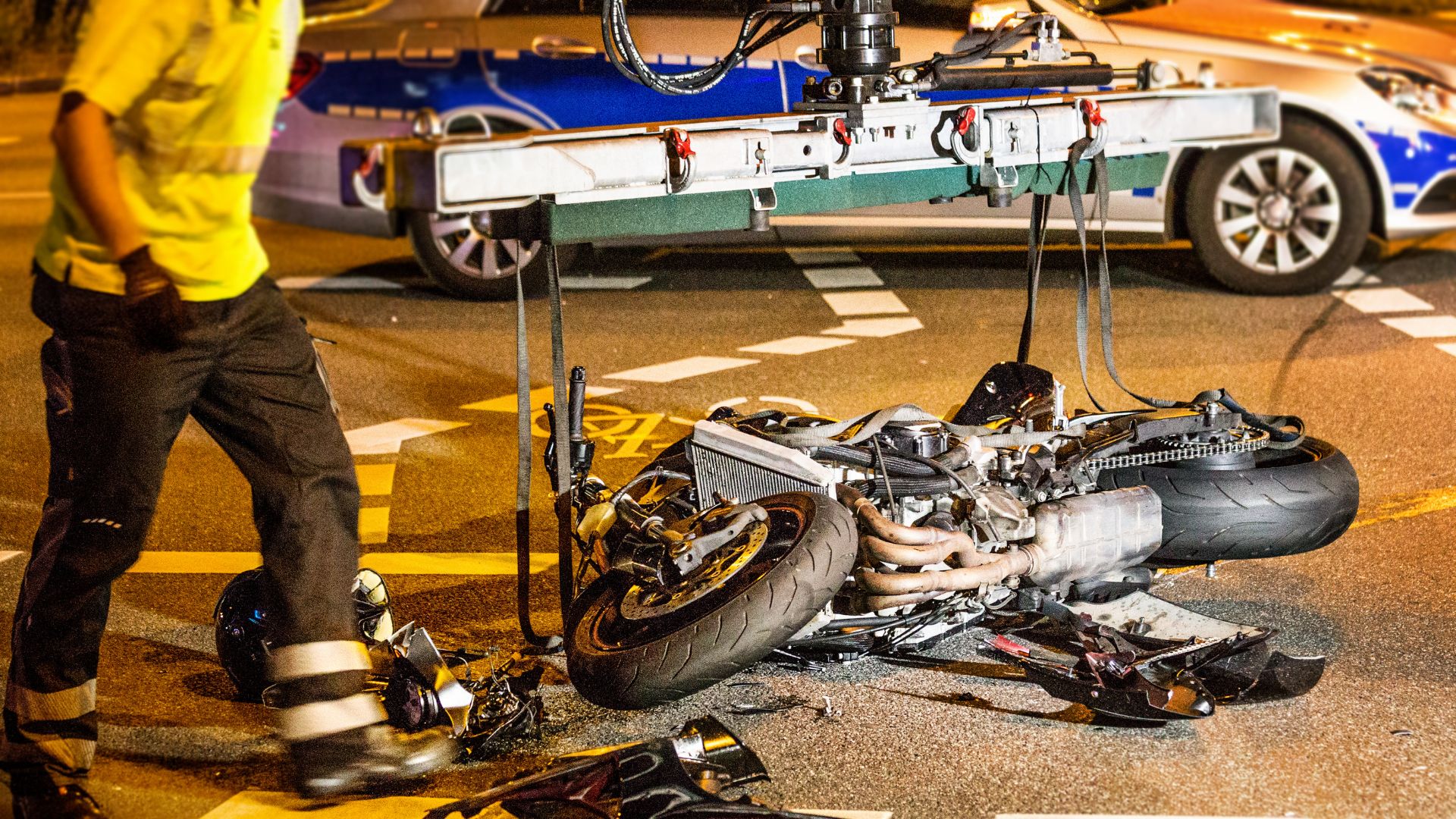
If you’ve been in a motorcycle crash in Florida, your immediate concern is often who bears responsibility and how to handle compensation for your injuries or damages. Florida’s negligence laws and insurance rules determine how damages are assigned and whether you can recover compensation for medical bills, lost wages, and pain and suffering. Knowing the role of fault and liability after a collision informs you about your next steps.
The Florida Department of Highway Safety and Motor Vehicles reports more than 9,000 motorcycle crashes statewide, resulting in over 600 fatalities and thousands of injuries. These figures highlight the serious risks riders face and underscore the importance of understanding how courts and insurers assign fault.
Negligence Rules That Control Motorcycle Cases
Florida follows a modified comparative negligence system. To recover damages, you must show that another party owed you a duty of care, failed to meet that duty, and directly caused your injuries. Under current law, if you are more than 50 percent responsible, you cannot recover damages at all.
Determining fault in a motorcycle accident is not a minor detail; it is the central factor in whether you succeed. Even if you are less than 50 percent responsible, your recovery will be reduced by your percentage of fault. Careful evidence gathering and presentation are essential to limit your share of liability.
Insurance Rules for Motorcyclists
Unlike car drivers, the state’s no-fault Personal Injury Protection (PIP) system does not cover Florida motorcyclists. That means there is no automatic coverage for medical expenses after a crash. Instead, you must pursue compensation from the at-fault driver or through optional coverage you may have purchased, such as uninsured motorist protection.
The absence of PIP makes liability in motorcycle accident cases especially important. Without proving fault, you risk being left with unpaid medical bills, rehabilitation costs, and wage losses. This is one reason riders often need to act quickly to preserve their claims.
Evidence That Shapes Liability in a Motorcycle Accident
Courts and insurers decide fault based on evidence; the more thorough your records, the stronger your case. Courts and insurers weigh different categories of proof when analyzing motorcycle accidents.
The following records are vital:
- Law enforcement reports. Police documentation creates an initial account of how the crash happened.
- Witness accounts. Independent observations support your version of events.
- Scene documentation. Photos, videos, skid marks, and weather details capture the conditions at the moment of impact.
- Medical records. Emergency and follow-up notes link your injuries directly to the collision.
- Vehicle or roadway data. Maintenance logs, black box records, or road design details may provide technical evidence of fault.
Together, these forms of evidence establish how responsibility should be assigned and protect you against attempts to shift blame unfairly.
Determining Fault in a Motorcycle Accident
Assigning responsibility in motorcycle crashes involves analyzing driver behavior, rider choices, and environmental conditions. Common questions include whether the driver failed to yield, whether distraction played a role, and whether the motorcyclist was traveling at a safe speed.
If both parties contributed, percentages are assigned. For example, if a car struck you while turning left, but evidence shows you were speeding, you might be assigned 25 percent fault. Your damages would then be reduced by 25 percent. This proportional system makes precise fault analysis a cornerstone of your case.
Comparative Negligence in Practice
Florida’s modified comparative negligence rule changes the calculation of damages for claims. If you are 20 percent responsible, you recover 80 percent of your total damages. If you reach 51 percent responsibility, you recover nothing.
Insurance companies are well aware of Florida’s comparative negligence rule and frequently argue that motorcyclists share a large portion of the blame. Common claims include allegations of speeding, improper lane positioning, or failure to wear protective gear. Preparing a case built on credible evidence ensures that fault percentages are assigned fairly and not exaggerated to reduce your recovery.
Scenarios Where Liability Becomes Disputed
Some accident types create complex questions about fault. Recognizing these patterns helps you prepare for disputes:
- Left-turn collisions. Drivers who turn across a motorcycle’s path are often held liable, though insurers may argue that speed or visibility played a role.
- Rear-end crashes. Motorists who strike a stopped motorcycle are usually at fault, but they may claim sudden or unsafe braking.
- Unsafe lane changes. Failure to check blind spots is a common cause of lane-changing accidents, though insurers may contest responsibility if the rider was in an unusual lane position.
- Roadway defects. Potholes, loose gravel, or poor signage can shift liability toward a government entity or contractor, which adds procedural requirements.
Each scenario demonstrates why fault is rarely a simple matter in motorcycle accidents.
Protecting Your Case After a Collision
What you do immediately after the crash affects how liability is assigned. Your actions can provide a clear record that supports your claim.
- Seek emergency care and follow every recommendation from providers;
- Report the crash to law enforcement and request a copy of the report;
- Take photos and video of the scene, your motorcycle, and your injuries;
- Collect names and contact information for anyone who witnessed the event; and
- Contact your insurer promptly, but avoid giving recorded statements until you understand your rights.
These steps preserve the evidence that determines fault and supports the full value of your claim. Florida law also limits the time you have to bring a negligence claim, so acting quickly helps preserve your evidence and legal rights.
The Value of Skilled Representation
Motorcycle accident cases in Florida involve more than just showing who caused the crash.
They also require knowledge of insurance exclusions, strict negligence rules, and procedural deadlines. A lawyer helps organize evidence, challenge insurer arguments, and ensure the law is applied correctly. Without guidance, you risk accepting a settlement that falls short of covering long-term needs.
Having experienced support ensures your story is told clearly and that liability is assigned reasonably. Strong advocacy can make a meaningful difference in the outcome in a system where even small percentages of fault reduce recovery.
Talk to a Florida Motorcycle Accident Lawyer Today
After a motorcycle crash, questions of fault and liability decide whether you recover the compensation you need for medical bills, lost wages, and long-term care. Florida’s comparative negligence rules and the absence of no-fault coverage make these cases especially complex. At Maranatha Law, we know how insurers push blame onto riders and how to counter those tactics with solid evidence. Call today for a free consultation and let us start protecting your rights while you focus on healing.