


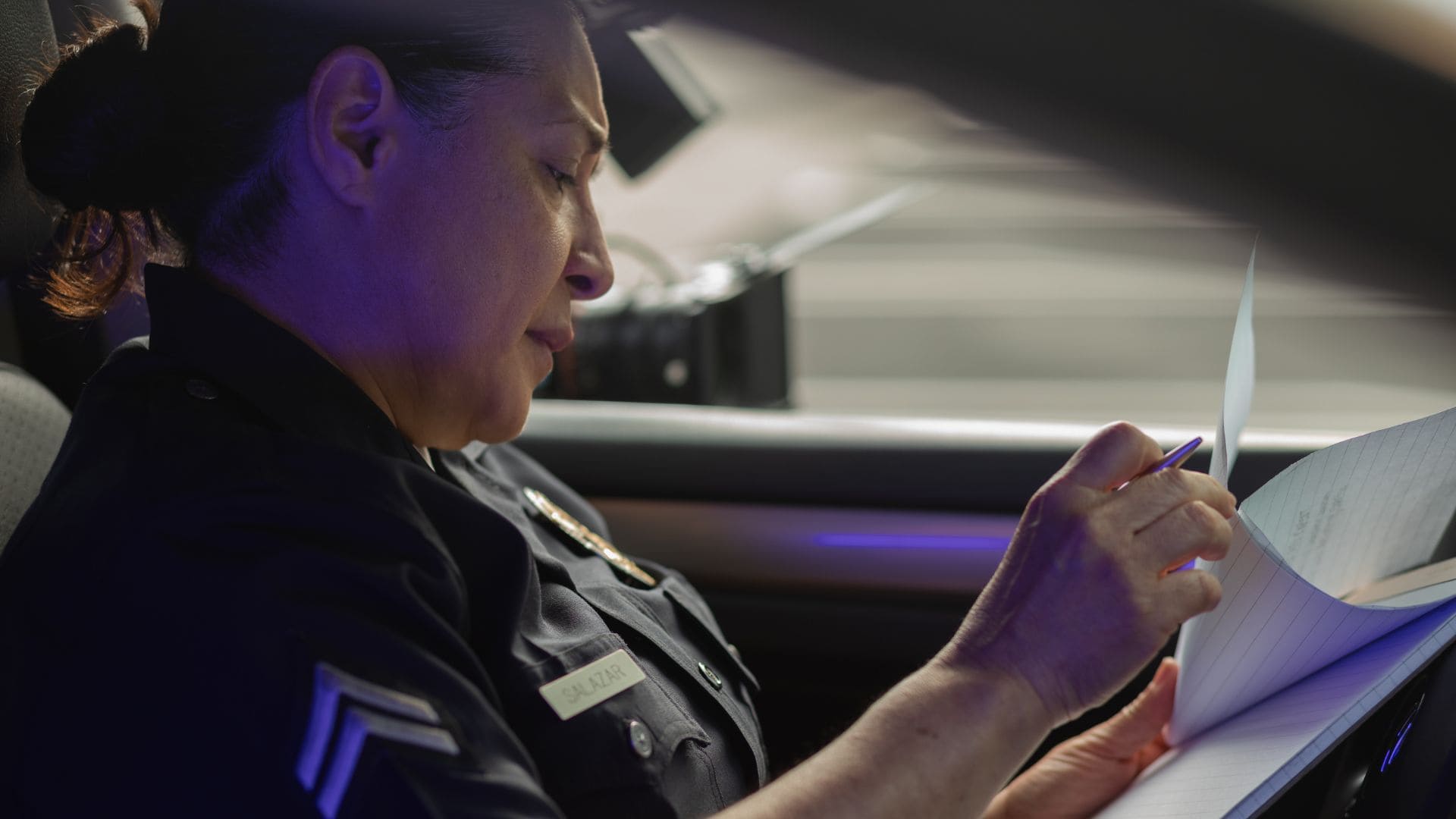
Police reports greatly impact car accident claims, but a skilled Lakeland car accident attorney may need to step in and help if the report was inaccurate or insufficient.
The moments and even days after a car accident can be chaotic. Chances are, you weren’t able to pay close attention as the police filled out their report. Now, as you are dealing with the wreck’s fallout, you have questions about the police report and how it might impact your compensation claim.
At Maranatha Law, we genuinely care about our clients. We will go above and beyond to help you obtain your police report, evaluate it, and take any steps needed to secure you the highest compensation possible.
Do You Need a Police Report to File an Insurance Claim In Florida?
You do not have to file a police report to file an insurance claim in Florida, but it is best if you do. Insurance companies use reports as a reference point to verify how the accident happened, who was involved, and whether any citations were issued. Without this official record, an insurer may delay processing your claim or argue about the basic facts of the collision.
Florida’s no-fault insurance system requires drivers to carry Personal Injury Protection (PIP). This coverage pays for medical expenses and lost wages up to policy limits, regardless of fault. To access these benefits quickly, insurers often look for the police report to confirm that the accident occurred. When the damages exceed PIP coverage and you pursue a liability claim against the at-fault driver, the report becomes essential in showing evidence of negligence.
How Police Reports Are Created
Under Florida law, you must immediately notify local law enforcement if you are in a car accident involving injuries, death, or property damage over $500.
When police respond to a crash, the officer documents the scene to include:
- The date, time, and location of the accident;
- The names and contact information of drivers, passengers, and witnesses;
- Vehicle descriptions and insurance details;
- Weather, road, and traffic conditions;
- Diagrams of the collision and points of impact;
- Any statements made by the parties involved; and
- Citations or arrests if traffic laws were violated.
This report serves as the first official record of the accident. Although it does not decide liability in a legal sense, it provides a foundation that insurance companies and attorneys rely on when building a claim.
The Benefits of a Police Report in an Insurance Claim
Having a police report gives you several advantages by:
- Establishing a timeline and sequence of events that insurers cannot easily dispute;
- Strengthening your credibility by showing that you reported the incident promptly;
- Capturing evidence that may fade quickly, such as skid marks or eyewitness accounts;
- Documenting whether the other driver admitted fault at the scene; and
- Reducing the chance of the insurer claiming your injuries came from another event.
For many injured people, the report becomes the anchor of the claim. Even if someone contests liability later, the insurer must address the officer’s documentation rather than rely on speculation.
Can You File a Claim Without a Police Report?
Yes. You can technically file an insurance claim in Florida without a police report. However, this path is much more difficult. Without the report:
- The insurer may delay or deny your claim for lack of verification,
- Proving fault in a liability case becomes more challenging,
- Witnesses may be harder to locate as time passes, and
- You may have fewer tools to refute false statements from the other driver.
While you can move forward without the report, doing so leaves you more vulnerable to the tactics insurers use to protect their profits. The absence of official documentation shifts the burden of proof heavily onto you and your attorney.
What Happens If the Police Report Is Inaccurate?
Not every report is perfect. Officers may misstate facts, misunderstand witness accounts, or overlook important details. Depending on the policies of the local police department that created the report, it is possible to submit requests for corrections and provide evidence for those corrections. While officers are not required to change their original conclusions, your suggested corrections can create a record that your attorney can use to counter an insurer’s attempt to rely on errors.
Police reports of traffic accidents aren’t admissible in Florida courts. That means, if the insurance company still won’t pay you fair compensation after settlement negotiations, and you have to file a lawsuit, the report itself cannot be evidence for or against you. Only the police officer’s testimony and the evidence collected can be used.
How a Police Report Fits into the Larger Claim Process
The police report is only one piece of evidence, but it often sets the stage for negotiations. Adjusters look for ways to pay as little as possible. When the report supports your version of events, it creates leverage to demand full compensation. When errors exist, your attorney can supplement the report with medical records, photographs, and expert testimony to rebuild the narrative.
The ultimate value of your claim depends on documented injuries, medical treatment, lost wages, and long-term impact on your life. A strong report lets your attorney focus on maximizing these areas rather than wasting time proving the accident occurred.
How Maranatha Law Can Help
Navigating insurance claims in Florida can feel overwhelming, especially while recovering from injuries. At Maranatha Law, part of our job is to ensure that:
- The police report is obtained quickly and reviewed for accuracy,
- Inaccuracies are addressed before insurers exploit them,
- Additional evidence is collected to strengthen the claim, and
- Insurers cannot pressure you into a low settlement by exploiting your lack of knowledge.
At Maranatha Law, each client receives direct attention from attorney Tim Maranatha. He has developed strategies that force insurers to treat claims with the seriousness they deserve. His approach combines technical skill with genuine care for clients, ensuring they feel heard and supported throughout the process.
Contact Us
If you have been in a car accident in Florida, requesting and reviewing the police report should be among your first steps. Even when the report contains errors, it remains a critical tool in protecting your rights. With legal guidance, the report becomes part of a broader strategy to restore your health, secure financial stability, and pursue justice against those responsible.
At Maranatha Law, Tim provides individualized attention to each client, allowing you to focus on what’s most important: recovering after your accident. Call us today for a free consultation about your situation.