


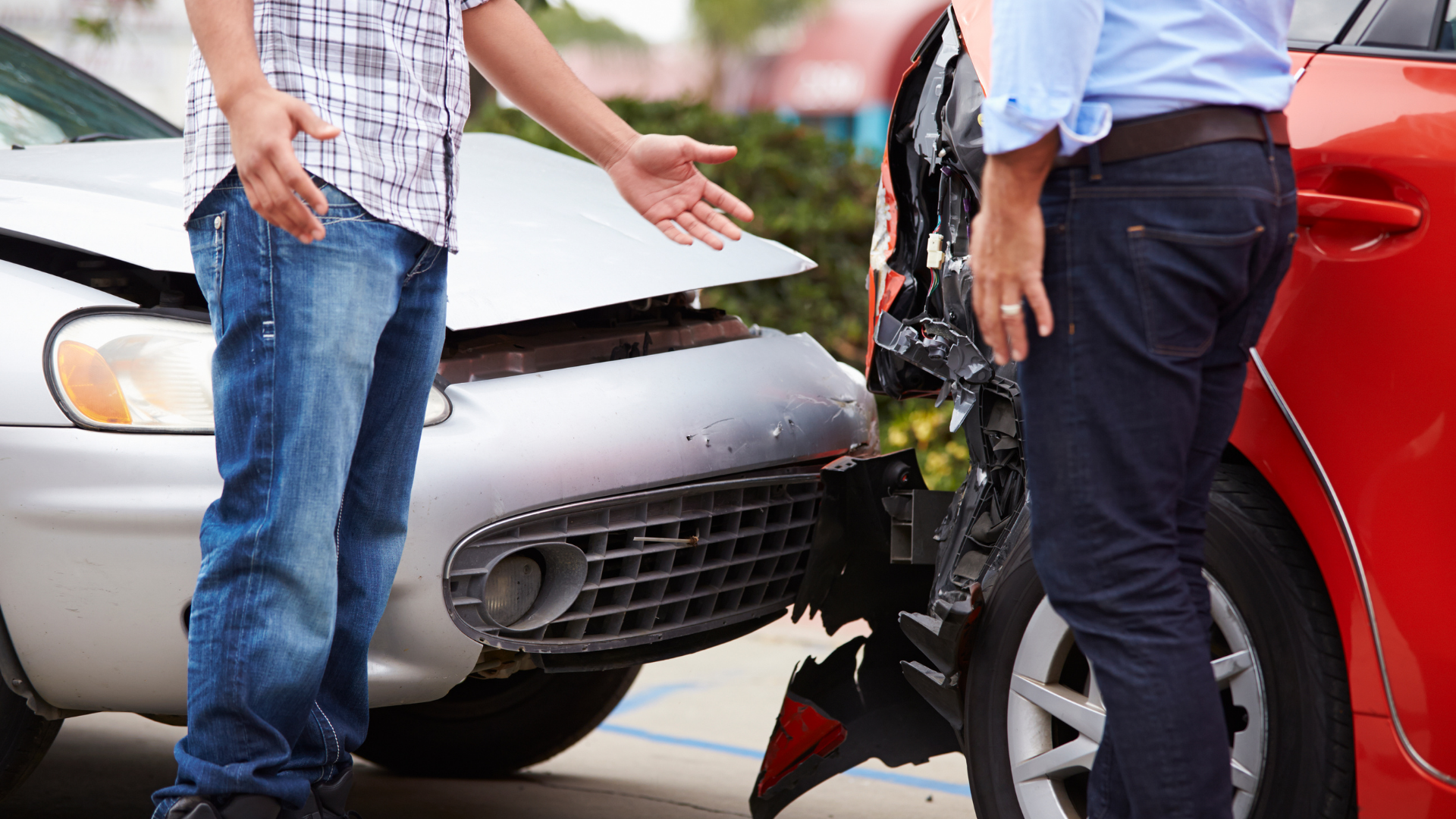
You have already been through the shock of a car accident. Then you learn something that makes the situation even more stressful: The driver who caused the crash does not have insurance.
At that point, many people assume they are out of options. If the other driver cannot pay, who covers the medical bills? What happens to vehicle repairs? Can you still recover compensation for serious injuries?
Fortunately, an at-fault driver uninsured in Florida does not automatically mean you are left paying for everything yourself. Depending on your insurance coverage and the circumstances of the collision, there may be several paths to financial recovery. Understanding where to look is often the first step toward protecting your health, finances, and future.
Why Does This Situation Happen So Often?
Many drivers are surprised to learn that an uninsured motorist can legally be on the road in Florida under certain circumstances.
Florida requires drivers to carry personal injury protection (PIP) coverage and property damage liability coverage. However, most drivers are not required to carry bodily injury liability insurance. As a result, a person may cause a crash that results in serious injuries while having little or no insurance available to compensate the people they hurt.
This can create significant challenges for accident victims. Even when fault is clear, recovering compensation may require looking beyond the at-fault driver’s insurance policy and identifying other available sources of coverage.
That reality makes it especially important to understand how Florida’s no-fault system works and what insurance benefits may be available through your own policy.
Florida’s No-Fault System Still Applies
One of the biggest misconceptions after an accident involves the role of Florida’s no-fault insurance system.
Many people assume that if another driver caused the collision, that driver’s insurance should immediately pay for everything. Florida does not work that way.
Instead, your own PIP coverage generally serves as the first source of benefits regardless of fault.
PIP may help cover:
- Medical expenses,
- A portion of lost income, and
- Certain replacement services.
These benefits can become available even when the other driver was completely responsible for the collision.
However, PIP has limitations. Coverage amounts are restricted, and serious injuries often generate expenses that exceed available benefits. Once those limits are reached, additional recovery sources become increasingly important.
Understanding the role of PIP helps explain why many people still have options even after an uninsured driver accident in Florida.
What If Your Injuries Are More Serious Than PIP Covers?
For some accident victims, PIP benefits may be exhausted quickly.
Emergency treatment, diagnostic testing, specialist appointments, physical therapy, surgery, and ongoing care can create significant expenses. When injuries become severe, relying solely on no-fault benefits is often not enough.
Florida law allows injured individuals to pursue compensation beyond PIP when injuries meet certain legal thresholds.
Qualifying injuries may include:
- Significant and permanent loss of an important bodily function;
- Permanent injury within a reasonable degree of medical probability;
- Significant and permanent scarring or disfigurement; or
- Death.
Meeting one of these requirements may allow an injured person to pursue damages that are not available through basic no-fault coverage.
Unfortunately, that process becomes more complicated when the responsible driver has no bodily injury liability insurance available.
At that point, uninsured motorist coverage often becomes one of the most important forms of protection.
Uninsured Motorist Coverage May Be Your Most Valuable Protection
Many people purchase uninsured motorist coverage and then forget about it until they need it.
In reality, this coverage may be one of the most valuable protections available after a serious crash.
Uninsured motorist coverage is designed specifically for situations involving an at-fault driver uninsured in Florida. Rather than pursuing compensation from the responsible driver’s insurance company, you seek recovery through your own policy.
Depending on the policy language and available limits, uninsured motorist benefits may help compensate you for:
- Medical expenses,
- Future treatment costs,
- Lost earnings,
- Reduced earning capacity,
- Pain and suffering, and
- Other accident-related damages.
Unlike PIP, uninsured motorist coverage may address losses that extend beyond basic economic expenses.
For many individuals who are hit by an uninsured driver on Florida roadways, UM coverage becomes the primary source of financial recovery.
Without it, obtaining compensation may become significantly more difficult.
What Is the Difference Between UM and UIM Coverage?
Although people often use these terms together, they address different situations.
Uninsured motorist (UM) coverage applies when the driver responsible for the accident has no applicable insurance.
Underinsured motorist (UIM) coverage applies when the at-fault driver has insurance, but the available coverage is insufficient to fully compensate injured victims.
Consider the following example. Suppose a driver carries a small insurance policy, but the accident results in catastrophic injuries. Even with insurance, the available limits may be far lower than the value of the claim. Underinsured motorist protection may help bridge that gap.
Both forms of coverage serve a similar purpose. They provide additional protection when the responsible driver lacks adequate insurance resources.
Understanding the distinction helps policyholders recognize why these coverages can be so important.
What If You Were Hit by an Uninsured Driver That Florida Residents Commonly Encounter?
The answer depends on the available insurance policies, the severity of the injuries, and the circumstances surrounding the collision.
When someone is hit by an uninsured driver in Florida, the first step is identifying every potential source of compensation.
Possible recovery sources may include:
- PIP benefits;
- Uninsured motorist coverage;
- Collision coverage;
- Medical payments coverage, if available;
- Health insurance benefits; and
- Third-party liability claims.
Many accident victims initially focus only on the uninsured driver. Doing so can cause them to overlook other insurance benefits that may provide meaningful compensation.
A careful review of all available policies often reveals opportunities that are not immediately obvious.
Who Pays for Vehicle Damage?
Property damage concerns are often overshadowed by injury issues, but repairing or replacing a vehicle can create substantial financial pressure.
If the at-fault driver lacks insurance, recovering repair costs may become difficult.
Collision coverage frequently becomes the most important source of recovery for vehicle damage. This coverage generally applies regardless of fault and may help pay for repairs or replacement costs.
Without collision coverage, options may include:
- Seeking payment directly from the responsible driver;
- Pursuing a lawsuit;
- Identifying additional applicable insurance policies; or
- Exploring third-party liability claims.
Unfortunately, individuals who do not carry insurance often lack sufficient financial resources to pay large property damage claims.
That reality highlights the importance of reviewing every available source of coverage.
Can Health Insurance Help?
Health insurance often becomes an essential resource after a serious accident.
While PIP may provide initial benefits, major injuries frequently generate expenses that exceed available no-fault coverage.
Health insurance may help pay for:
- Hospital treatment,
- Surgery,
- Diagnostic testing,
- Physical therapy,
- Rehabilitation services, and
- Specialist care.
Using health insurance does not prevent you from pursuing compensation elsewhere.
Instead, it can help you receive necessary treatment while insurance and legal issues are being resolved.
Receiving appropriate medical care should remain the priority throughout the recovery process.
Are There Other Insurance Policies That May Apply?
One of the most overlooked aspects of uninsured-driver cases involves identifying additional insurance coverage.
The absence of a personal insurance policy does not always mean the absence of recovery options.
For example, the uninsured driver may have been:
- Operating a company vehicle;
- Working during the crash;
- Driving a vehicle owned by someone else; or
- Living with family members who maintain applicable insurance.
Some situations involve umbrella policies, business insurance, vehicle-owner liability, or other forms of coverage that are not immediately apparent.
Investigating these possibilities can uncover resources that significantly affect the value of a claim.
Many people assume the search ends once they learn the driver lacks insurance. In reality, that discovery often marks the beginning of a much broader investigation into available sources of compensation.
Can You Sue an Uninsured Driver?
Yes. The lack of insurance does not prevent an injured person from filing a lawsuit.
If an uninsured driver causes a crash, a legal claim may still be available for losses that extend beyond no-fault benefits.
Depending on the circumstances, a lawsuit may seek compensation for:
- Medical expenses,
- Future treatment costs,
- Lost income,
- Reduced earning ability,
- Property damage,
- Pain and suffering, and
- Other accident-related losses.
At first glance, filing a lawsuit may seem like the obvious solution. However, the practical reality is often more complicated.
Winning a case and collecting compensation are not necessarily the same thing. That distinction becomes especially important when dealing with an uninsured motorist.
Why Winning a Lawsuit Does Not Always Mean Getting Paid
Many people assume that if a court awards compensation, payment automatically follows.
Unfortunately, that is not always how the process works.
Insurance provides a source of funds that can satisfy a claim. When insurance is unavailable, recovery often depends on the uninsured driver’s personal financial resources.
An uninsured individual may have:
- Limited income,
- Significant debt,
- Few assets,
- Existing judgments, or
- Financial obligations that make collection difficult.
Even after obtaining a favorable verdict or settlement agreement, collecting compensation can become a separate challenge.
Possible collection methods may include wage garnishment, bank levies, property liens, or other legal remedies. However, these options are not always practical or successful.
For that reason, identifying insurance coverage is often more valuable than focusing solely on litigation.
Understanding this reality helps set realistic expectations and highlights why thorough insurance investigations are so important.
Why Your Own Insurance Company May Still Challenge the Claim
Many people expect a smoother process when they are dealing with their own insurer. After all, they paid premiums for coverage and followed the rules.
In practice, an uninsured motorist claim in Florida can still involve disputes.
Insurance companies often evaluate:
- Whether the accident caused the injuries;
- The necessity of certain medical treatment;
- The reasonableness of medical expenses;
- Future care recommendations; and
- The overall value of damages.
Questions may arise regarding pre-existing conditions, treatment gaps, or the severity of symptoms.
Because of this, documentation remains important throughout the process. Medical records, diagnostic imaging, photographs, witness statements, repair estimates, and correspondence can all help support the claim.
Being organized can make a significant difference when negotiating with an insurer.
An uninsured motorist claim in Florida often requires many of the same forms of evidence that would be necessary in a traditional liability case.
Common Mistakes People Make After Discovering the Driver Is Uninsured
Learning that the other driver lacks insurance can trigger frustration and uncertainty.
Unfortunately, those emotions sometimes lead to decisions that make recovery more difficult. Several mistakes appear repeatedly in these cases.
Common examples include:
- Assuming there is no claim;
- Failing to review all available insurance policies;
- Delaying medical treatment;
- Ignoring symptoms that develop later;
- Accepting an insurer’s initial evaluation without question; and
- Waiting too long to investigate legal options.
Each of these issues can affect the outcome of a case.
The most important takeaway is simple: Do not assume that the absence of insurance means the absence of compensation. Many successful claims begin with circumstances that initially appeared hopeless.
Steps to Take Immediately After Learning the Driver Has No Insurance
Once you discover the responsible driver lacks coverage, it helps to shift your focus toward identifying available resources.
Several practical steps can help protect your position.
Consider taking the following actions:
- Notify your insurance company promptly;
- Review your declarations page carefully;
- Preserve medical records and receipts;
- Keep repair estimates and vehicle documentation;
- Follow all treatment recommendations; and
- Consult an attorney if questions arise regarding coverage.
Taking these measures early can help avoid problems later. Organization often becomes one of the most valuable tools in an uninsured-driver case.
Do Not Assume There Is No Recovery Available
Learning that the person responsible for your accident lacks insurance can feel discouraging. However, a missing insurance policy does not always mean a missing claim.
Whether you were involved in an uninsured driver accident in Florida or were hit by an uninsured driver on Florida roads, multiple sources of compensation may still exist. PIP benefits, uninsured motorist coverage, collision coverage, health insurance, and third-party claims can all play a role depending on the facts of the case.
At Maranatha Law, we help injured Floridians identify every available avenue for recovery and avoid overlooking insurance benefits that may make a significant difference. When the situation seems more complicated than expected, having experienced guidance can help you move forward with confidence.
Official Legal and Other Sources
To ensure the accuracy and clarity of this page, we referenced official legal resources during the content development process:
- Florida Statutes § 627.727 – Motor vehicle insurance; uninsured and underinsured vehicle coverage
- Florida Statutes § 627.736 – Personal injury protection benefits
- Florida Statutes § 627.737 – Tort threshold; limitation on pain and suffering
- Florida Statutes § 95.11 – Statute of limitations for personal injury claims
- Mayo Clinic, Whiplash – Symptoms and Causes,