


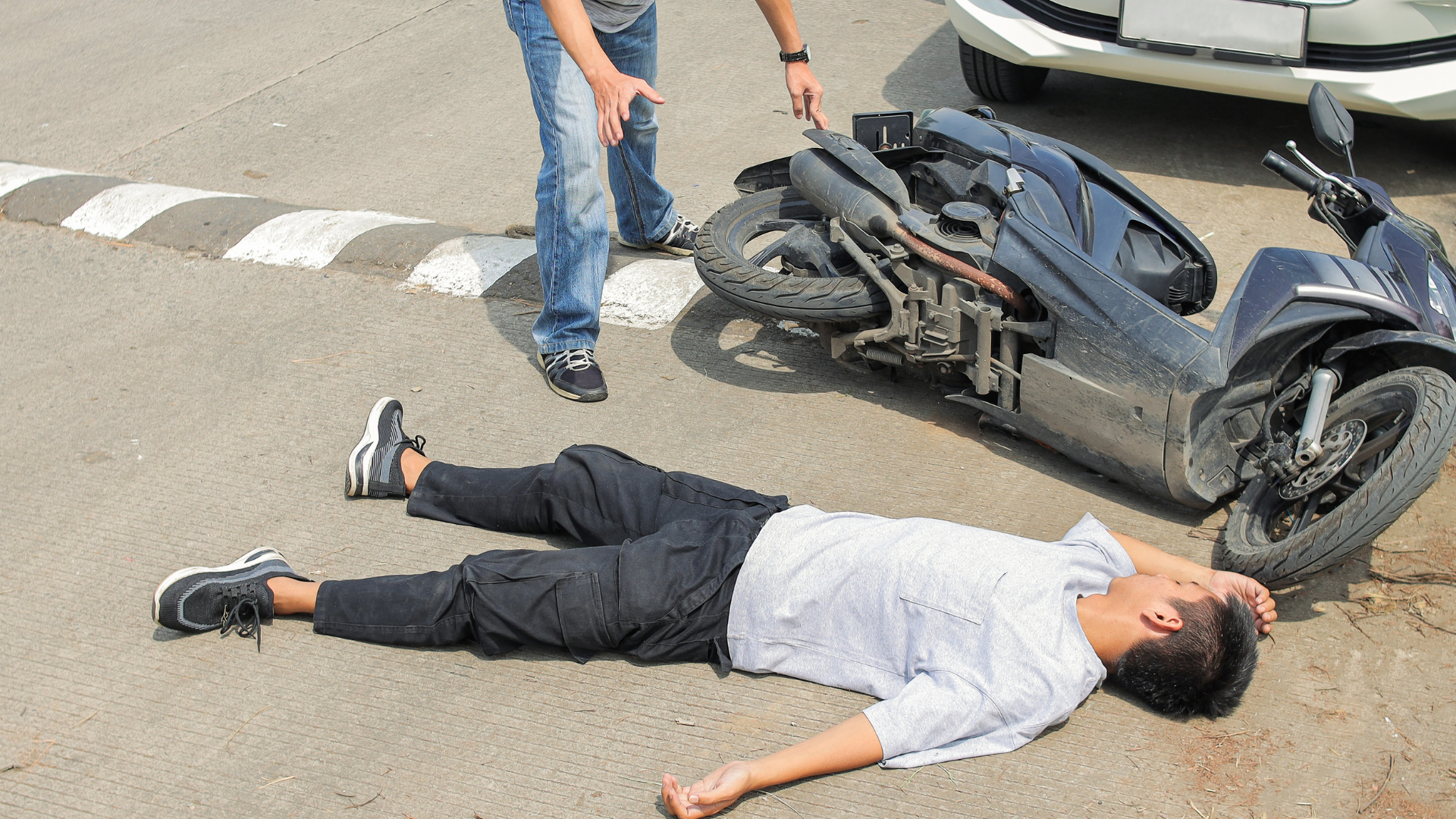
A motorcycle accident can be life-changing. One moment you are riding through Florida traffic, and the next you may be facing painful injuries, mounting medical bills, damage to your bike, and calls from insurance adjusters looking for statements. In those first few hours and days, knowing exactly what to do after a motorcycle accident can make a major difference in your health, your financial recovery, and your legal claim. Understanding your rights and taking the proper steps immediately after a collision can help protect your future.
At Maranatha Law, we know how overwhelming this process can feel. Attorney Tim Shanahan built the firm around one core principle: do the right thing, no matter what. That means giving injured riders honest guidance, personal attention, and aggressive representation when insurance companies try to minimize legitimate claims.
- Prioritize Safety and Call 911 Immediately
The first and most important step after a motorcycle crash is protecting yourself and others from further harm. If you are physically able, move to a safe location away from traffic. However, do not remove your helmet or attempt to stand if you suspect a neck, back, or head injury.
Florida law requires drivers to report crashes involving injuries, death, or significant property damage. In Florida, accidents involving injury must be reported to law enforcement. Calling 911 ensures police and emergency medical personnel respond to the scene.
Even if your injuries seem minor, accept medical evaluation at the scene. Adrenaline can mask symptoms of traumatic brain injuries, internal bleeding, or spinal damage. Some of the most serious motorcycle accident injuries are not immediately obvious.
- Seek Medical Care As Soon As Possible
One of the most critical parts of understanding what to do after motorcycle accident injuries occur is getting prompt medical treatment. Delaying care can hurt both your physical recovery and your legal case.
Seeking medical attention quickly creates documentation connecting your injuries to the crash. Insurance companies frequently argue that delayed treatment means injuries were not serious or were caused by something else.
After your initial treatment, continue following all doctor recommendations. Attend follow-up appointments, physical therapy sessions, and specialist visits. Treatment gaps can significantly weaken your claim.
- Document the Accident Scene
If you are physically able, gathering evidence at the scene can help preserve critical information before it disappears. Motorcycle accident scenes change quickly once vehicles are moved and debris is cleared away. Important evidence to collect includes:
- Photos of your motorcycle damage,
- Photos of all vehicles involved,
- Road conditions,
- Traffic signals and signs,
- Skid marks,
- Weather conditions,
- Visible injuries,
- Helmet and riding gear damage,
- Contact information for witnesses, and
- The other driver’s insurance information.
Take more photos than you think you need. Seemingly minor details can later become important when determining fault.
If witnesses saw the crash, politely ask for their names and phone numbers. Independent witness statements can be extremely valuable, especially if the other driver later changes their story.
- Avoid Admitting Fault
After a crash, emotions run high. It is natural to want to apologize or make statements like “I didn’t see them” or “I may have been going too fast.” However, these comments can later be used against you by insurance companies.
Florida follows a modified comparative negligence system, meaning your compensation may be reduced if you share fault for the accident. If you are more than 50% responsible for the accident, you may be barred from recovering damages in many negligence claims.
Because fault directly impacts compensation, avoid discussing blame at the scene. Stick to factual information when speaking with police officers and insurance representatives.
Even if you think you may have contributed to the crash, you should still speak with an attorney before assuming liability. Many motorcycle accidents happen because drivers fail to see riders, violate right-of-way rules, or engage in distracted driving.
- Notify Your Insurance Company Carefully
You should report the accident to your insurance company promptly, but be cautious about what you say. Insurance adjusters often begin evaluating claims immediately, and they often try to use recorded statements to minimize payouts.
When speaking with insurers:
- Provide basic factual information,
- Do not speculate about fault,
- Avoid discussing the severity of injuries before treatment is complete,
- Decline giving a recorded statement until speaking with a lawyer, and
- Do not accept a quick settlement offer without legal review.
Insurance companies may attempt to settle motorcycle accident claims quickly before the full extent of your injuries and future medical needs become clear.
Many riders underestimate the long-term costs associated with surgeries, rehabilitation, lost income, and chronic pain. Once you accept a settlement, you generally cannot go back and ask for more compensation later.
- Preserve Evidence and Track Your Losses
As your case progresses, keep organized records of the accident and your injuries. The more documentation you have, the easier it may be to prove damages. Helpful records may include:
- Medical bills,
- Prescription costs,
- Repair estimates,
- Lost wage documentation,
- Photos of injuries during recovery,
- Mileage to medical appointments,
- Insurance correspondence,
- Medical records, and
- Pain journal entries.
A daily journal describing your pain levels, physical limitations, emotional struggles, and recovery progress can help demonstrate how the injuries affect your everyday life. Motorcycle accident claims often involve substantial damages because injuries are frequently severe and long-lasting.
- Exercise Caution on Social Media
One of the most overlooked aspects of what to do after a motorcycle accident involves social media activity. Insurance companies and defense attorneys often review Facebook, Instagram, TikTok, and other platforms looking for posts they can use against injured victims.
Even harmless posts can be taken out of context. For example, the insurer may point to a photo of you smiling at a family event to argue that your injuries are not serious.
After a motorcycle crash:
- Avoid posting about the accident,
- Do not discuss injuries online,
- Avoid posting physical activities,
- Ask friends not to tag you in photos, and
- Set accounts to private.
The safest approach is to limit social media use entirely until your case is resolved.
- Know the Deadline to File a Claim
Florida law imposes strict deadlines on personal injury claims, with most negligence-based claims needing to be filed within 2 years of the accident. Missing the filing deadline could prevent you from recovering compensation entirely.
However, certain exceptions or additional rules may apply depending on the circumstances of the crash, such as when a government entity is involved or a wrongful death claim is being pursued. Speaking with an attorney early allows time to investigate the crash, preserve evidence, and avoid missing important deadlines.
When Should You Contact a Motorcycle Accident Lawyer?
Many injured riders wait too long before contacting an attorney. Unfortunately, valuable evidence can disappear quickly after a motorcycle crash. You should strongly consider speaking with a lawyer if:
- You suffered serious injuries,
- Fault is disputed,
- The insurance company blames you,
- A loved one died in the accident,
- You cannot work because of injuries,
- The insurer offers a low settlement,
- Multiple vehicles were involved, and
- You face long-term medical treatment.
A motorcycle accident attorney can investigate the crash, gather evidence, negotiate with insurers, calculate damages, and fight for fair compensation.
At Maranatha Law, we understand the physical, emotional, and financial toll motorcycle accidents create for riders and families across Florida. We know insurance companies often move quickly to protect their bottom line instead of focusing on what injured people truly need.
Attorney Tim Shanahan takes a personal approach to every case, providing honest communication, compassion, and aggressive advocacy when it matters most.
Know What to Do After a Motorcycle Accident and Protect Yourself
Knowing what to do in the aftermath of a motorcycle accident can help you avoid costly mistakes and protect both your health and legal rights. The actions you take in the hours and days following a crash may directly affect your ability to recover compensation for medical expenses, lost income, pain and suffering, and future care.
You do not have to navigate this process alone. If you or someone you love was injured in a motorcycle accident anywhere in Florida, Maranatha Law is ready to help you understand your options and pursue the compensation you deserve.
Legal References Used to Inform This Page
To ensure the accuracy and clarity of this page, we referenced official legal and other resources during the content development process: