


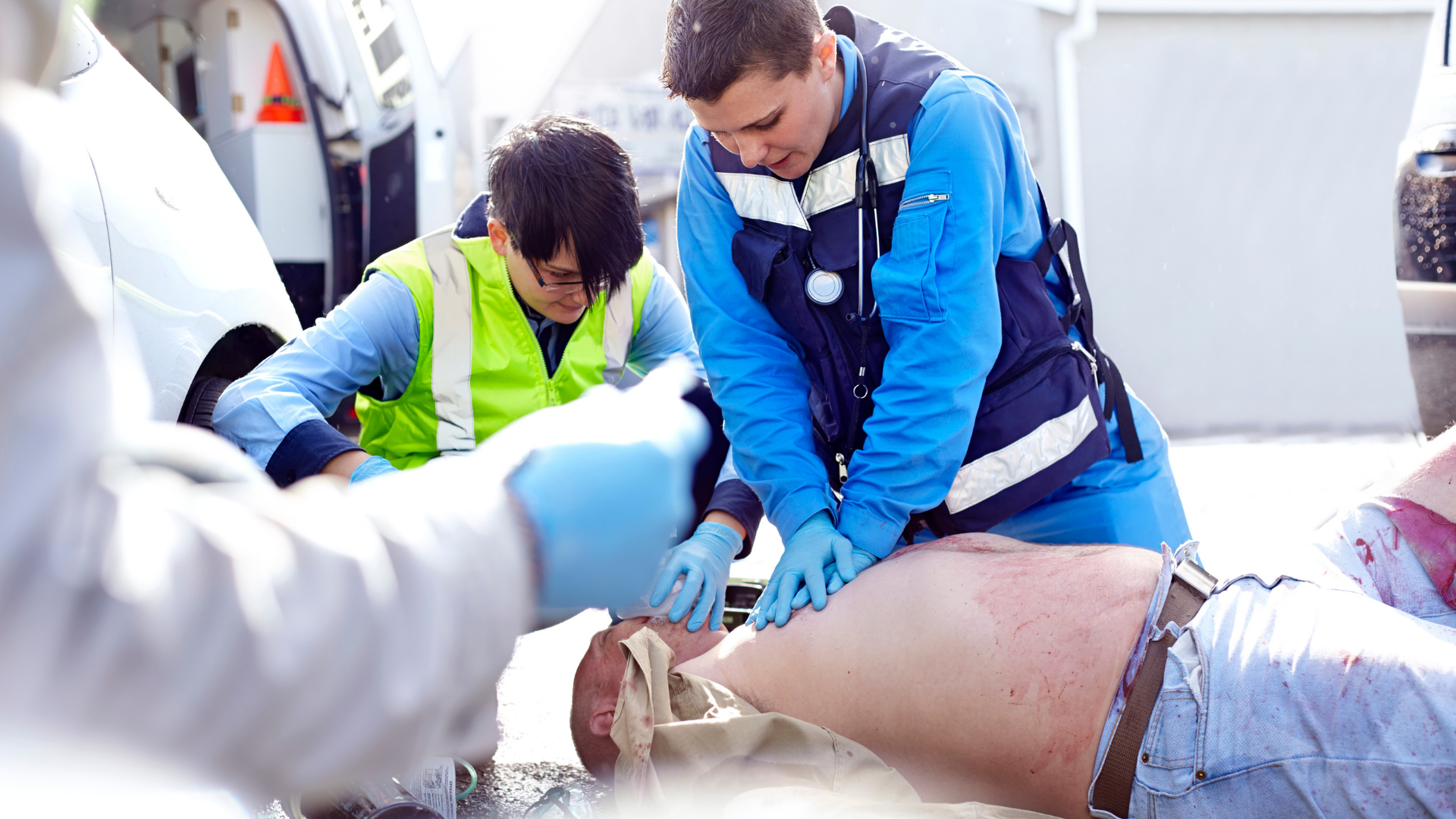
A fatal crash changes everything in an instant. One phone call, one knock at the door, and your world is no longer the same. If you are searching for answers about a wrongful death in a car accident, you are likely facing unimaginable grief while also trying to understand what comes next.
In Florida, the law does provide a path forward, but it is not automatic, and it is not simple. The legal process surrounding a wrongful death in a car accident is governed by specific statutes, strict deadlines, and detailed rules about who can file and what compensation may be recovered. At Maranatha Law, our Lakeland wrongful death lawyer understands that this is not just a case. It is your spouse. Your parent. Your child. And you deserve clear answers from someone who will take this as seriously as you do.
Understanding Wrongful Death in a Car Accident Under Florida Law
Under the Florida Wrongful Death Act, a wrongful death occurs when a person’s death is caused by the “wrongful act, negligence, default, or breach of contract or warranty” of another. In the context of a fatal crash, this typically means a negligent driver, but it can also involve employers, vehicle manufacturers, or other responsible parties.
According to the Florida Department of Highway Safety and Motor Vehicles, thousands of people lose their lives each year in Florida traffic crashes. Behind every statistic is a family left devastated.
Florida law recognizes that when a life is taken due to negligence, surviving family members should not be left carrying the financial and emotional burden alone. However, the process for bringing a wrongful death claim differs from that in a typical injury case. Understanding those differences is critical.
Who Can File a Claim After a Death Due to a Car Accident?
After a death due to a car accident, many families assume that the closest relative can simply file a lawsuit. In Florida, that is not how it works.
Under Florida law, only the personal representative of the deceased person’s estate has the legal authority to file a wrongful death lawsuit. This individual is typically named in the decedent’s will. If there is no will, the court will appoint a personal representative.
Although the personal representative files the claim, they do so on behalf of specific surviving family members. Florida law identifies the following potential beneficiaries:
- The surviving spouse,
- Minor children (and in some cases, adult children),
- Parents of the deceased, and
- Other blood relatives or adoptive siblings who were partly or wholly dependent on the deceased for support or services.
Each category has specific rights and limitations under the statute. For example, minor children may recover certain damages that adult children cannot if there is a surviving spouse. Parents may recover damages for the death of a minor child and, in certain circumstances, an adult child.
Because eligibility and recoverable damages depend heavily on family structure, it is critical to have an experienced wrongful death lawyer evaluate your situation early.
What Damages Can Be Recovered in a Wrongful Death in a Car Accident?
No amount of money can replace your loved one. The law cannot restore what was taken. What it can do is hold the responsible party accountable and help protect your family’s financial future.
Damages in a wrongful death case may include both economic and noneconomic losses. These damages are divided between survivors and the estate.
Surviving family members may be entitled to recover:
- Loss of support and services from the date of injury to the date of death, as well as future loss of support;
- Loss of companionship and protection (for spouses);
- Mental pain and suffering (for spouses, minor children, and, in certain cases, parents); and
- Medical or funeral expenses paid directly by a survivor.
In addition to survivor damages, the estate may recover:
- Lost earnings from the date of injury to death;
- Loss of prospective net accumulations (future savings the deceased likely would have accumulated); and
- Medical and funeral expenses charged to the estate
Before and after each of these categories, courts require detailed financial and factual evidence. Calculating lost future income, household services, and long-term support often requires economic experts and careful documentation. Insurance companies know this, and they frequently dispute or undervalue these claims. This is where legal representation becomes essential.
Time Limits: Florida’s Statute of Limitations
Florida law imposes a strict deadline for filing a wrongful death lawsuit. The statute of limitations for wrongful death claims is generally two years from the date of death. There are limited exceptions, but they are rare. If the claim is not filed within the statutory period, the court can permanently bar recovery.
Two years may sound like a long time, but in reality, building a strong wrongful death case takes careful investigation. Evidence can disappear. Witnesses can become harder to locate. Crash reconstruction experts need time to analyze the scene and vehicle data. Acting early protects your case.
Proving Liability After a Fatal Crash
Grief alone is not enough to succeed in court. A wrongful death in a car accident must be proven with evidence. To establish liability, your legal team must show:
- The at-fault party owed a duty of care (for example, a driver’s duty to operate safely);
- That duty was breached through negligence (such as speeding, drunk driving, or distracted driving);
- The breach caused the fatal injuries; and
- Surviving family members suffered measurable damages as a result.
In many cases, this means analyzing police reports, vehicle data recorders, cell phone records, toxicology results, and surveillance footage. It may also require accident reconstruction and expert testimony.
Insurance companies often move quickly to limit their exposure. They may attempt to shift blame, minimize damages, or pressure families into early settlements before the full value of the claim is understood. You deserve someone who is prepared to stand between your family and those tactics.
When the System Feels Overwhelming
You are not just navigating grief; you are navigating paperwork, probate issues, insurance adjusters, and legal deadlines. The personal representative must open an estate, coordinate with beneficiaries, and comply with court procedures, all while mourning. This is not something most families are prepared to handle alone.
At Maranatha Law, we recognize that a wrongful death case is about more than compensation. It is about accountability. It is about dignity. It is about ensuring that the story of your loved one does not end with silence.
Taking the Next Step After a Wrongful Death in a Car Accident
If you are facing the aftermath of a wrongful death in a car accident, you do not have to make every decision today. But protecting your legal rights should not wait.
Florida’s wrongful death laws are complex. Determining who qualifies as a beneficiary, what damages are recoverable, and how to properly file through the estate requires precision and experience. A single misstep can delay or jeopardize recovery.
At Maranatha Law, we are ready to step in, shoulder the legal burden, and pursue justice on your family’s behalf. While you focus on grieving and healing, we focus on investigation, strategy, and accountability.
Your loved one’s life had value. Let us help you demand that it be recognized under the law.
If you are ready to talk or simply need clarity about your options, reach out to Maranatha Law today.
Frequently Asked Questions About Wrongful Death After a Car Accident
What Should Families Do First After Losing Someone in a Car Accident?
The first step is to take care of immediate family needs, funeral arrangements, and emotional support. Once the family is ready, it may also help to gather basic documents such as the crash report, insurance details, medical records, funeral bills, and any communication from insurance companies. These records can make the next steps easier when the family begins looking for answers.
Why Does a Fatal Car Accident Case Feel So Overwhelming?
A fatal crash often leaves families dealing with grief, paperwork, insurance calls, funeral costs, and unanswered questions all at once. Many families are also unsure who should speak with insurance companies or what information they should share. Having guidance can help reduce the pressure while the family focuses on mourning and healing.
Should We Speak With the Insurance Company After a Fatal Crash?
Families should be careful when speaking with insurance adjusters after a fatal accident. Insurance companies may ask for statements, documents, or quick settlement discussions before the full picture is clear. It is usually better to understand your options first so you do not accidentally say something or accept something that affects the family later.
What Information Can Help Explain What Happened in the Crash?
Helpful information may include the police report, photos or videos from the scene, witness names, vehicle damage, medical records, phone records, and any available surveillance footage. In serious crashes, experts may also review vehicle data, road conditions, and the accident scene to better understand how the crash happened.
How Can Families Handle Funeral and Financial Stress After the Accident?
Funeral costs, medical bills, and sudden income loss can create serious pressure after a fatal crash. Families should keep copies of receipts, invoices, bills, and records of any financial support the loved one provided. These documents can help show the real impact of the loss on the household.
Why Is It Important Not to Rush a Settlement?
A quick settlement may not reflect the full impact of the loss. Families may still be learning about medical expenses, funeral costs, lost income, and the long-term emotional and financial effects of the death. Taking time to understand the full situation can help protect the family from accepting less than what may be needed.
Who Usually Handles the Paperwork After a Wrongful Death?
In many families, one person may take the lead in handling documents, phone calls, and communication. This may involve estate paperwork, insurance correspondence, and gathering records. Because this can become stressful while grieving, many families choose to get help so they do not have to manage everything alone.
What If Family Members Disagree About What to Do Next?
Disagreements can happen after a sudden loss, especially when emotions are high and family members are grieving differently. It can help to keep communication focused on shared goals: honoring the loved one, protecting the family, and getting clear answers. When needed, outside guidance can help organize the process and reduce confusion.
How Long Should Families Keep Records After the Accident?
Families should keep all records connected to the crash, medical care, funeral expenses, insurance communication, and lost income. It is better to save too much than too little. These records may become important later if questions come up about what happened, what was paid, or how the loss affected the family.
How Can Maranatha Law Help Families After a Fatal Car Accident?
Maranatha Law can help families understand what steps come next, deal with insurance companies, gather evidence, and pursue accountability after a fatal car accident. The goal is to carry the legal and procedural burden so the family has space to grieve, heal, and make informed decisions. This FAQ set is based on the provided article about wrongful death after a car accident.